The Real Costs of Digital Nomad Life: Your Ultimate Budget Guide
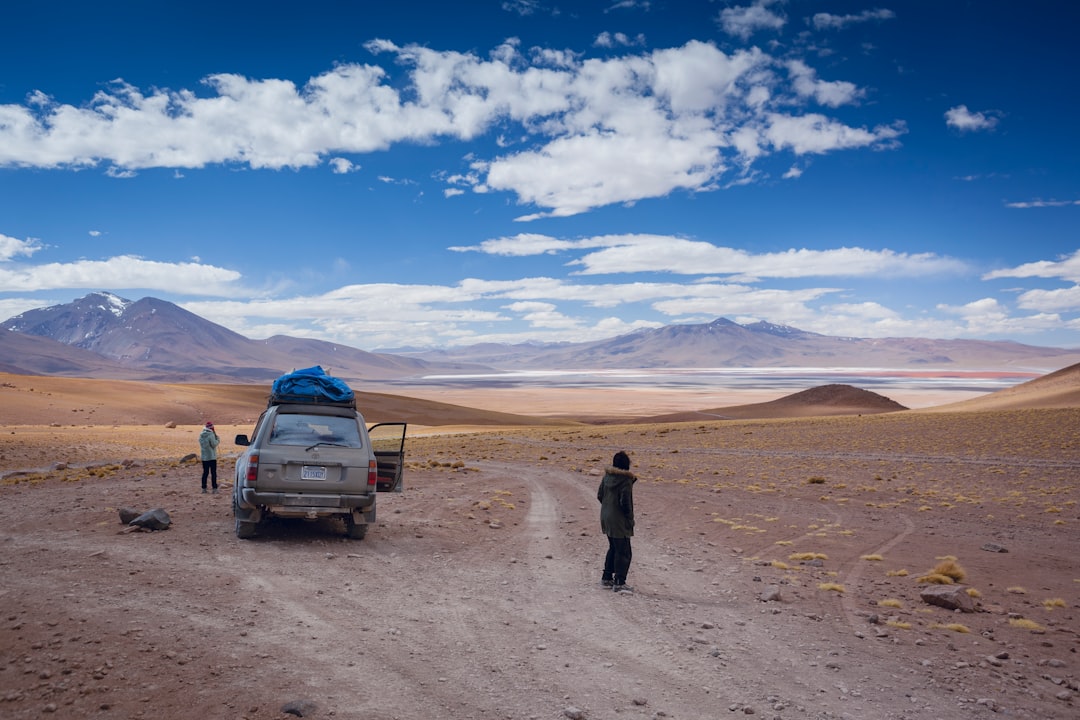
Have you ever dreamed of escaping the routine, that 9-to-5 schedule that ties you to a single place? Imagine: one day you’re in a Parisian cafe, the next exploring the beaches of Thailand, or even living your adventure in a van, hopping from Airbnb to Airbnb, or sailing the seas. Nomadic life is precisely that: an incredible journey of freedom, exploration, and the opportunity to immerse yourself in new cultures, meet fascinating people, and feel “at home” in any corner of the world.
But, let’s be honest, the first question that comes to mind is: “How much does this cost?” Most people think it’s a luxury only for the wealthy or for those willing to live with the bare minimum. And that’s where the big misunderstanding lies! The truth is, a nomadic life can be surprisingly affordable, sometimes even *cheaper* than a traditional life. The trick is to be smart with your money, understand where it goes, and be flexible enough to adjust your lifestyle to what your wallet allows.
Here, we’ll tell you everything, without beating around the bush. We’ll give you a complete guide to understanding the costs of being a nomad, the potential pitfalls, and of course, the best strategies to make your budget your best friend.
What Does Nomadic Life *Really* Mean?
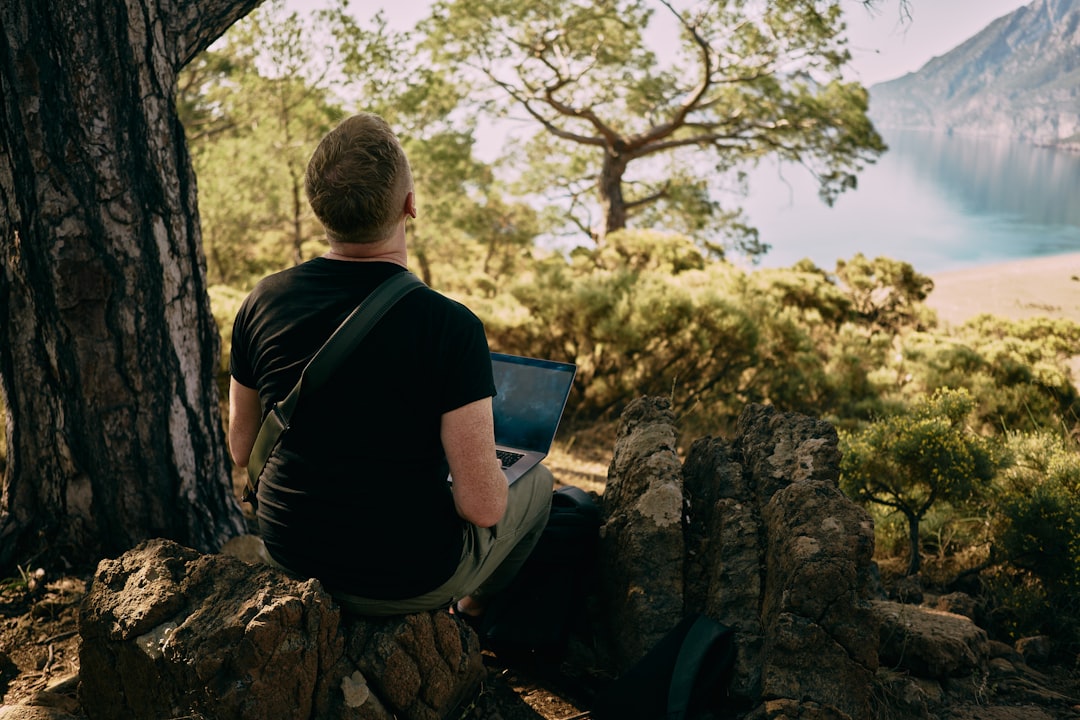
Living as a nomad is, in essence, embracing freedom and mobility. It’s being able to work, live, and enjoy *wherever you want* in the world. There are endless ways to do it: from the “digital nomad” who uses a laptop to work from the beach or the mountains, to the “van lifer” who has transformed their van into a rolling home. There’s a nomadic style for every person—which one is yours?
But what do all nomads have in common? Things like:
- Living with less: Fewer possessions, fewer ties, more space for experiences.
- Being a chameleon: Adapting to each new place, each situation.
- Loving change: Seeing every novelty as an adventure, not a problem.
For nomads, *experiences* are worth much more than possessions. They are always looking for creative ways to earn a living while soaking in different cultures and landscapes. It’s not just about tourism; it’s a way of life that changes you from within, redefining what it means to work, live, and feel fulfilled.
Budget Secrets: What Makes Nomadic Life More or Less Expensive?
There’s no universal rule here, you know? The “price” of your nomadic life is as unique as you are. It largely depends on where you choose to anchor yourself (even if for a while), how you like to live the adventure, and how often you move. Understanding these key points is crucial to making your nomadic life not only exciting but also sustainable for your wallet.
1. The Money Map: Where Will It Be Cheaper (or More Expensive)?
Imagine the world as a giant game board, with “low-price” zones and “high-price” zones. Choosing where you put your feet (and your laptop) makes a *huge* difference in your budget. There are places where you can live like a king with little, and others where every euro or dollar counts double.
Think about Southeast Asia or Central and South America: paradises where your money goes much further and cultural experiences are incredibly rich! Then you have Europe and North America, which are fascinating, yes, but your wallet will feel the difference, and significantly!
Example: Living Affordably in Great Places
Does living on $1,000 or $1,500 a month, covering *everything*, sound good to you? Well, in countries like Thailand, Vietnam, or Malaysia, it’s a reality! These places are a dream for nomads looking to maximize their money without giving up adventure. Here’s a glimpse of what a month in Chiang Mai, Thailand, could look like:
- Daily Food: $80 (Local markets and street food are a delight!)
- Your Own Place: $370 (A comfortable apartment can be surprisingly affordable).
- Getting Around: $240 (A scooter is your best friend, and Tuk Tuks are an experience).
- Your Office (if needed): $110.52 (Coworking spaces with a good atmosphere).
- Staying Connected: $25.47 (SIM or eSIM, essential!).
- Peace of Mind (Insurance): $45.08 (Don’t leave without it, please!).
- Fun and Discovery: $100 (Massages, excursions, temples…).
- Eating Out: $150 (Exploring gastronomy is part of the trip!).
- GRAND TOTAL: $1,121.07
See? With a little over a thousand dollars, you live, work, and enjoy life to the fullest.
Example: Get Ready to Spend More in Top-Tier Locations
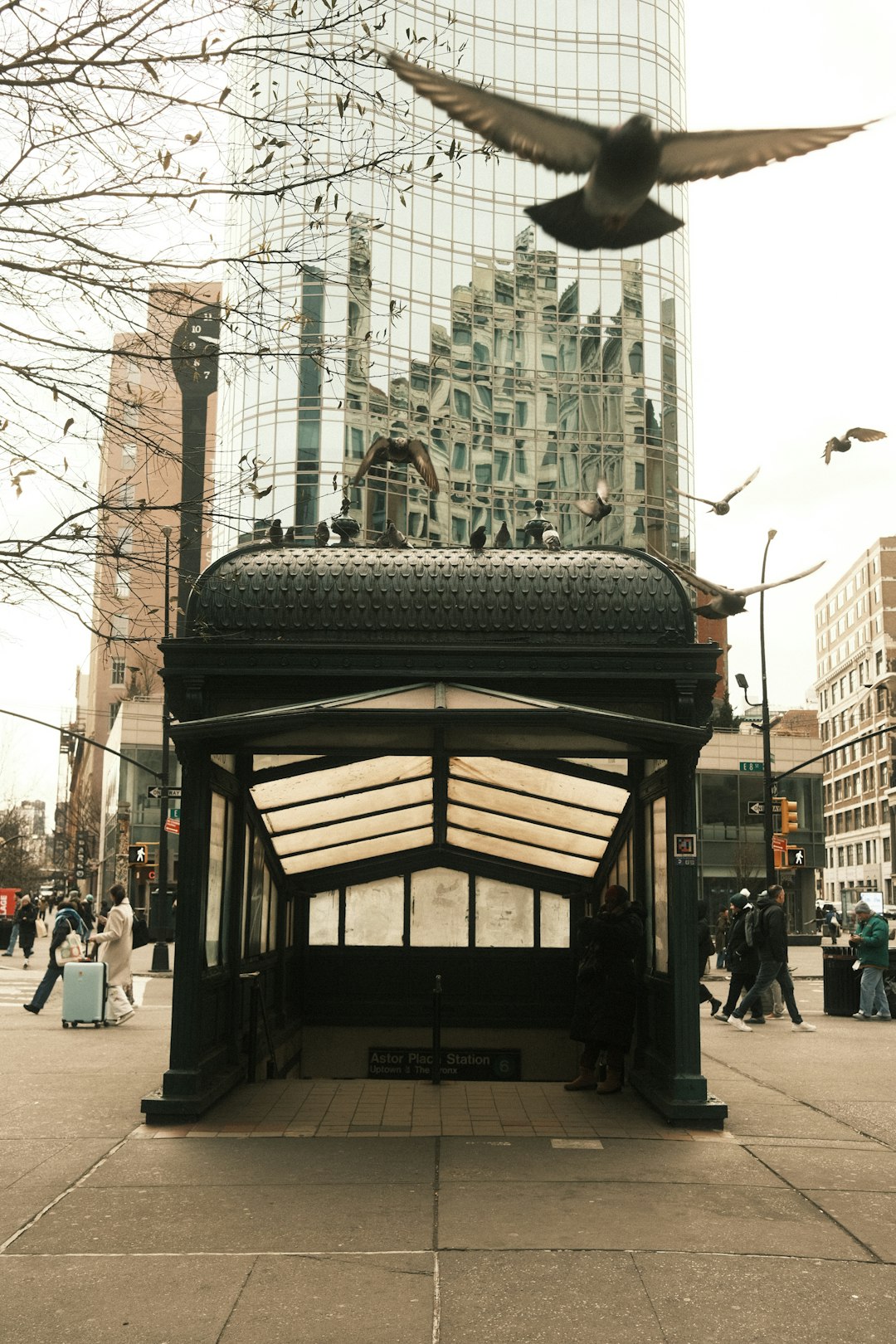
Now, let’s change the scenario. If you dream of the charms of Europe or the energy of North America, prepare for a more robust budget. Iconic cities like New York or London can make your monthly expenses *double or triple* compared to what you’d spend in Asia, easily exceeding $3,000.
Imagine a month in London, for example. Here’s a breakdown of what you might expect:
- Daily Food: $400 (Cooking at home helps *a lot* here).
- Your Place to Sleep: $1,700 (Accommodation is the budget king here!).
- Getting Around: $170 (Public transport is efficient, but it has a price).
- Your Office: $217.20 (A good coworking space is not cheap).
- Staying Connected: $36 (Essential, as always).
- Peace of Mind (Insurance): $45.08 (The same price, thankfully!).
- Fun and Exploration: $400 (Museums, pubs, shows… the city calls you!).
- Eating Out: $300 (A special dinner or a good pub, it shows!).
- GRAND TOTAL: $3,268.28
As you can see, even if you cover the same things as in Asia, the jump in accommodation, entertainment, and food is significant. Your budget rules!
2. Your Style, Your Spend: From Backpacker to Luxury Nomad
This is where your personality comes into play. Are you someone who seeks the most authentic and economical experience, or do you like to indulge yourself? Your personal choices are a *huge* factor in how much you’ll spend. Sleeping in hostels or camping is not the same as choosing boutique hotels or designer Airbnbs.
Think of backpackers: they are the champions of “less is more”! They travel light, seeking genuine experiences without spending a fortune. That’s light years away from a “yachtie,” who lives on their boat and, well, maintaining a yacht is another level of expense.
And of course, do you travel alone, as a couple, or with family? Sharing expenses (accommodation, transport) can make the trip more accessible for everyone. Ultimately, your way of living the adventure dictates how much money you will need.
3. How Fast Do You Move? Speed Also Has a Price
Finally, think about this: are you a turtle nomad or a hare nomad? That is, do you like to stay for a good while in each place or do you prefer to jump from one place to another non-stop? The frequency with which you move is a *crucial* factor for your wallet. The more you move, the more plane, train, or bus tickets you’ll buy, and that adds up.
Turtle or Hare? Choose Your Pace (and Your Budget)
In the nomadic world, there are two main currents: “slow travel” and “fast travel.”
- Slow Travel: Here the turtle wins! You stay longer in each place, which translates into fewer transportation costs (fewer flights, fewer tickets). In addition, rentals are usually cheaper if you stay for several weeks or a month, and you have plenty of time to discover local markets, the most authentic restaurants, and activities that don’t cost an arm and a leg. You truly immerse yourself in the culture.
- Fast Travel: If you’re more about “seeing a lot in a short time,” then you’re a hare. You jump from city to city, country to country, and that, of course, allows you to see more, but the price of tickets and finding last-minute accommodation is usually much higher. It’s an investment to live many experiences in a short time, but your wallet will notice.
The Startup Kit: What You Need Before You Go
Before hitting the road, there’s a small initial “investment” you need to consider. The amount varies greatly, of course, depending on how you want to live your nomadic adventure.
- If you’re a digital nomad: Think of your “portable office.” A reliable laptop, a good backpack to carry everything, and portable Wi-Fi are your fundamental tools. This can add up to a few hundred dollars, but it’s your passport to work anywhere.
- If you dream of “van life”: Here, the protagonist is… the van! Prices can range from a few thousand dollars for a used van that you adapt yourself, to over $50,000 if you want a new one customized down to the last detail.
It’s vital to think about this logically. Research thoroughly, look for deals, and be honest with yourself: what do you *really* need and what is a *luxury*? And most importantly: start saving for these initial expenses! This way, the financial burden will be much less when you decide to take the leap.

Your Day-to-Day Expenses: Where Will Your Money Go Once on the Road?
Once you’re living your nomadic life, there are a series of expenses that will become part of your routine. Think of them as your four financial pillars: where you sleep, how you get around, what you eat, and how you protect yourself.
Where to Rest Your Head (or Park Your Van)
Your temporary “home” can be the biggest drain on your budget. If you’re a digital nomad, an apartment or a hotel room can cost you between $300 and over $1,000 a month, depending on how fancy the place is. If you’re someone who lives in a van, you might pay between $15 and $65 per night at campsites or RV parks.
But beware, the price of a place to sleep changes *a lot* depending on where you are, what time of year (high season skyrockets prices!), and, of course, how much luxury you want. It’s the biggest expense, sometimes even *more than half* of everything you spend!
How to Get Around (Without Breaking the Bank)
Here we talk about how you get from point A to point B. If you travel by plane, train, or bus, those tickets are a fixed expense. And if you live in a van or like to explore the surroundings of where you settle, gasoline will be your companion!
But don’t get overwhelmed, there are tricks to save! Choose the bus or train when you can, look for ride-sharing apps if they are available. And a golden tip: if you can, travel in low season. Tickets are cheaper and places are less crowded. Double win!
What’s On Your Plate? (Eating Well Without Going Broke)
Food is another one of those expenses that can vary a lot. A tip? Cooking your own meals with fresh, local ingredients will always be more economical than eating out all the time. As a nomad, you have to be an “adaptable chef”: adjust your eating habits to what you find in each place to keep your budget in check.
Your Protective Shield: Don’t Leave Without It
And last, but *never* least: insurance! We’re talking about health insurance, vehicle insurance (if applicable), and travel insurance. Be smart and make sure you have good coverage for any unforeseen events. An accident or illness can ruin your budget and your trip if you’re not covered.
Now, although all these monthly expenses may seem like a lot, think about it: often, being a nomad can be *even cheaper* than living a traditional life. Why? Because you save on fixed utility bills, the rent or mortgage for a “forever” home, and the endless costs of commuting to work every day. Sometimes, freedom comes with a discount!
The Magic of Flexibility: Managing Your Nomad Money
We’ve already looked at the numbers, but there’s something beyond the figures: flexibility. It’s your superpower as a nomad! For your life on the go to be a success, you need to be a financial chameleon.
What does this mean? Being ready to adjust your expenses, change your travel plans, or even seek new ways to earn money, all depending on your finances at that moment. Perhaps that means staying longer in a cheap country, taking advantage of a last-minute offer, or simply choosing more economical options for a while. The key is to adapt, and later we’ll tell you how to do it with your budget!
Where to Get the Funds? Your Options for Earning Money While Traveling
For most of us, living this adventurous life requires one thing: a steady income. How do nomads achieve this? Well, there are several avenues, each with its charm, that will help you keep your dream alive while you explore the world.
1. Your Office Anywhere in the World: Remote Work
This is, without a doubt, the favorite option for many digital nomads. You work for a company, but from anywhere on the planet! Goodbye office, hello beach or mountains. The flexibility that remote work gives you is simply perfect for this life.
How much can you earn? It varies a lot. A software developer can take home between $70,000 and over $100,000 a year, while a good customer service representative could range from $30,000 to $50,000. There’s something for everyone!
2. Be Your Own Boss! The World of Freelancing
Being a freelancer is another gem for nomads. Here you are your own boss, offering your talents to different clients, project by project. Are you good at writing, designing, programming, doing SEO, or consulting? The world needs your skills!
The great thing about freelancing is the freedom: you set your own rates, either hourly or by project, depending on your experience and demand. An SEO expert could charge between $20 and $100 an hour, and if you’re a designer or UX developer, you could move between $50 and $150 an hour. You set the price of your freedom!
3. The Nomad Entrepreneur: Forge Your Own Path
This option is a bit more daring, but tremendously rewarding! If you have a brilliant idea and the desire to build something of your own, you can create an online business that you can manage from anywhere in the world.
Figures like Nomadic Matt or Pieter Levels of Nomadlist are living proof that you can be a successful nomad and a brilliant entrepreneur at the same time. While their exact figures are not publicly known, it’s clear they have built empires that generate millions. They are an inspiration and demonstrate that, with the right idea and a lot of effort, your nomadic life can go hand in hand with entrepreneurial success!
4. Money That Works for You: Passive Income
Imagine money working for you while you explore. That’s passive income: earnings that come in without you having to be “actively” working. Think of rentals, investment dividends, or selling online courses you created once.
While they can give you a few hundred or thousand dollars a month, very few nomads live *solely* on this. The smartest thing is to use them as an “extra,” a complement to other sources of income. This way, your financial base is much more solid. Diversifying is the keyword to make your nomadic life truly sustainable.
Nomad Hacks: How to Stretch Your Money to the Max
For your nomadic adventure not to have an expiration date, you need to be a master at budgeting and saving. These are your best allies so that money is not a problem and you can enjoy the journey for a long time!
1. Go Slow and Save Big! (Slow Travel)
We’ve already mentioned it, but it’s worth reiterating: “slow travel” is a golden strategy for your wallet. Why?
- Cheaper Accommodation: If you stay in one place for weeks or months, many places offer significant discounts.
- Live Like a Local: You have plenty of time to discover markets, local eateries, cheap shops… goodbye tourist traps!
- Fewer Tickets, Fewer Expenses: By not jumping from one place to another every other day, you save a lot on flights and long-distance transportation.
2. Stay Local: Explore a Region Thoroughly
Instead of crossing continents every other day, why not focus on exploring one region? For example, if you’re in Southeast Asia, spend some time exploring several neighboring countries. Not only will you immerse yourself more in the local culture, but flights are much shorter and cheaper, or you can even travel by bus or train, which is much more economical than a transatlantic flight!
3. Your Control Center: Apps and Templates for Your Money
To keep your money from slipping through your fingers, you need control! Use budget apps or online templates. They are your best friend for knowing exactly where every dollar, euro, or baht goes.
Here at Freaking Nomads, for example, we’ve created our own super useful template, thinking about the specific needs of digital nomads like you. With it, you can track your expenses in detail, set realistic goals, and see how your finances are doing month by month. Knowledge is power, and control is peace of mind!
So, Is Nomadic Life For You?
If you’ve made it this far, it’s because the idea of living life your way, discovering new cultures, and designing your own path strongly calls to you! And believe us, it’s an amazing journey: you’ll get to know yourself better, become stronger and more adaptable. It’s a unique way to experience the world. And best of all, with the right financial strategy, it’s not only possible but a rich and incredibly satisfying life!
As we’ve seen, nomadic life doesn’t have to be expensive. Its costs are reasonable and depend largely on where you are, how you like to live, and how often you move. With good planning, a well-thought-out budget, and knowing how to earn money along the way, this life can be surprisingly affordable and, most importantly, sustainable.
Always remember this:
Being a nomad is not just about the stamps in your passport or the places you visit. It’s about your journey toward financial freedom and, above all, personal growth.
So, if you dare, pack your backpack, your laptop, and your heart! Your nomadic adventure awaits you!