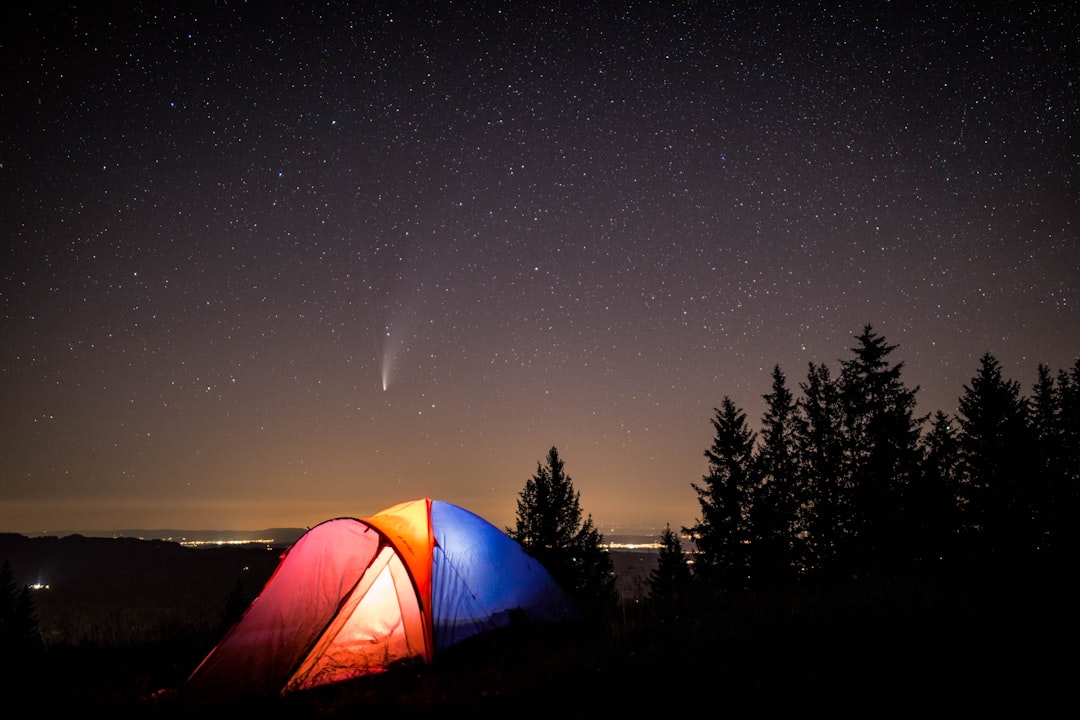
Your First Adventure Under the Stars! A Friendly Beginner Camping Guide
Have you ever dreamed of waking up to the sound of birds singing, breathing in the fresh air, and seeing a sky so full of stars it feels like you can touch them? Well, you’re about to make it a reality! Here, I’ll share everything I’ve learned in my years of camping, so your first time is unforgettable and super easy.
By Nicole Jordan
Last Updated: March 28, 2025
Hi, I’m Nicole Jordan, and my life is an adventure. You’ll find me guiding groups on mountains, rivers, or through the snow. If there’s a summit to climb or a national park to sleep under the stars in, I’m there! Over the years, I’ve tested hundreds of products and explored more than 50 countries, accumulating 15 years of experience. So, when I give you advice, it’s not because I’m getting paid for it, but because I’ve lived it myself and I know what works. I want you to trust my words, because they come from real experience, not from advertising.
Get your lungs ready for a good dose of fresh air and your heart ready for incredible outdoor moments! You’re about to embark on the adventure of planning your first camping trip. Believe me, after more than a decade of sleeping under the stars, I’ve compiled every trick and tip I’ve learned into this guide. From finding the perfect spot and setting up your tent like a pro, to choosing the right clothes and gear you actually need, here is your complete manual for that first great escape!

Table of Contents
- Unraveling the Mystery of Camping!
- “Frontcountry” or “Backcountry” Camping?
- The Different Types of Camping Homes
- Getting Started: Planning Your First Time
- Choose Your Slice of Paradise
- Invest in Gear That Lasts
- Do a Dress Rehearsal Before You Go
- Arrive with Time and Daylight
- The Camper’s Menu: Delicious Food in Nature!
- Simple Meals, Big Flavors
- Your Stove: The Heart of the Kitchen
- Coffee, Please!
- Your Camp Kitchen: What to Bring?
- Your Home Under the Stars: Setting Up the Tent
- Practice at Home First
- Look for Flat, Sturdy Ground
- Your Tent’s Guardian: The Footprint
- Stakes or Guy Lines: Don’t Let the Wind Win!
- Your Rest Zone, Away from the Kitchen
- Dressing for the Adventure
- Protect Your Feet
- The Art of Layering
- My Favorites: Essential Gear for Beginners
- Your Portable Home: The Tent
- The Warm Hug: The Sleeping Bag
- Your Personal Cloud: The Sleeping Pad
- Your Lighthouse in the Dark: The Lantern
- Your Throne of Relaxation: Camp Chairs
- Essentials You Shouldn’t Forget
- My Final Secrets for You, Novice Camper
- Start Small
- Hunt for Second-Hand Treasures!
- Prepare for the Unexpected
- Your Essentials, Always at Hand
- Get Informed Before You Go
- Live the “Leave No Trace” Philosophy
- Frequently Asked Questions from Novice Campers
- How do I prepare for my first time camping?
- How do you set up a campsite for beginners?
- What is the easiest way to go camping?
- What is the #1 rule of camping?
- Should I lock my tent when camping?
Unraveling the Mystery of Camping!
At first, thinking about your first camping trip can feel like a rollercoaster of ‘what do I do now?’. But you know what? The truly exciting—and slightly intimidating—part is the experience itself, not so much the planning. To make everything flow smoothly, let me guide you through a few basic camping pillars that will be a huge help.
1. “Frontcountry” or “Backcountry” Camping?
There are two main worlds in camping: “frontcountry” and “backcountry.” The main difference is how close your car is to your tent.
- Frontcountry Camping: Imagine arriving by car, parking right next to your tent (or sleeping in your vehicle if it’s a van or RV). It’s that easy! This includes car camping, tent camping, or RV camping. If you’re a beginner, this is your ideal starting point! We’ll focus on this type of camping here.
- Backcountry Camping: This is where things get wilder. There are no cars. You have to hike, ski, bike, or paddle to get to your site. It’s a completely different experience, for when you have more miles under your belt. For now, frontcountry camping is your best friend!
2. The Different Types of Camping Homes
Now that you know the difference, it’s good to understand the types of campgrounds where you can stay. Depending on your choice, you’ll have access to different amenities, services, and, of course, nature itself.
ESTABLISHED CAMPGROUNDS IN PARKS
Many of our beautiful national and state parks have campgrounds ready for you to book. Camping in a national park is a gem for your first time. There are other people nearby (which is reassuring!), accessible trails, and usually good amenities—but always do a little research before booking!
Most of these campgrounds have flush toilets (a luxury in nature!), drinking water, and some even offer hot showers. Additionally, almost every site comes with its own picnic table and fire pit.
Typically, a site in a park will cost you between $10 and $40. Some have hookups for RVs, and in larger parks, it’s common to find a small store where you can buy things.
PRIVATE ESTABLISHED CAMPGROUNDS
Similar to park campgrounds but on private land, these places often have excellent amenities like hot showers, RV hookups, flush toilets, and clean water.
The famous KOA (Kampgrounds of America) is a super popular option for beginners. Many even have pools, playgrounds, and mini-golf! Other private campgrounds are located in popular areas near national and state parks. They tend to be a bit more expensive, from $20 to $70 per night, depending on what they offer.
SEMI-ESTABLISHED CAMPGROUNDS
These are favorites in national forests and on other public lands. They are cheaper than established campgrounds but also offer fewer services. The most common feature is a shared pit toilet and, perhaps, a table and fire pit at your site.
They often operate on a first-come, first-served basis: you arrive, find an empty site, put your money in an envelope, and fill out your details to “reserve” your spot for the night.
DISPERSED/WILD/FREE CAMPING
This is for the true adventurers! It’s about finding a place to sleep on public land for free. It’s very common on forest service roads or on Bureau of Land Management (BLM) land, especially in desert areas.
These free sites are in more remote areas, often outside of parks. While they are fantastic for camping without spending a dime, don’t expect any services! You are 100% responsible for bringing everything you need and, of course, for packing everything out with you.
Dispersed camping isn’t ideal for your first time, but keep it on your wish list for the future!
Getting Started: Planning Your First Time
Planning your first trip might sound like a lot of work, but I promise it’s simpler than you think. With the right preparation and the correct gear on hand, you’ll have nothing to worry about!
1. Choose Your Slice of Paradise
Choosing where to go is one of the first and most exciting steps. If you’re a beginner camper, my advice is to pick a place that’s familiar, a few hours from home—maybe even a place you’ve visited before!
And even if you know the area, always do your “homework” before you leave. Here are a few things I always do before deciding on my camping destination:
CHECK THE WEATHER FORECAST
The weather can be a deal-breaker. Depending on the time of year, conditions can change drastically. It’s super important to research the average weather for each month because if you’re going to a very popular place, you’ll probably have to book months in advance.
RESERVE YOUR CAMPSITE IN ADVANCE
Good spots go fast! In popular destinations, state or national park campgrounds open their reservations 5 or 6 months in advance and fill up almost instantly. If you already know where you want to go, book your site as soon as possible to secure your spot.
CHECK THE AVAILABLE AMENITIES AT THE CAMPGROUND
Some campgrounds are like little outdoor hotels: hot showers, flush toilets, a general store, drinking water, and sites with picnic tables and fire pits. Others are more basic.
While booking, take a moment to see what services are available. All this information is usually on the campground websites. You might be willing to skip a shower for a couple of nights, but maybe you don’t want to have to dig a hole for your business if there are no bathrooms nearby. Knowing this beforehand will save you from surprises!
CHOOSE A NICE SITE
Nowadays, many campground websites have detailed maps and photos. If I can, I always try to book large sites with good views and far from the bathroom!
Camping near the bathrooms usually means more noise and light, although some people prefer it if they need to go frequently at night.
I also make an effort to choose a spacious site. If more friends end up joining, I want to have plenty of room for several cars and to set up tents at a comfortable distance from each other.
2. Invest in Gear That Lasts
Once you know where to go, it’s time to start gathering your camping arsenal. The basics include your sleeping gear, a kitchen setup with a stove, and some extras to make you more comfortable.
I’ll give you a detailed list later, but keep in mind that the location and weather of your campsite greatly influence what you should bring. And, of course, decide if you prefer to sleep in a tent or in your car.
When I’m looking for gear, my first stop is usually REI. They are experts in everything related to the outdoors. Their employees know a lot and will help you choose the best for your adventure.
Local gear shops in your city are also great! That said, good quality gear can be a considerable investment, so don’t hesitate to borrow from a friend if you can.
3. Do a Dress Rehearsal Before You Go
Before every trip, I always make sure all my gear is in perfect condition and works. I set up my tent in the backyard to make sure there are no surprises, I light my stove, and I check that I have a spare lighter.
I charge all my electronic gadgets and my power bank, and I always bring extra batteries for things like my headlamp. Better safe than sorry!
4. Arrive with Time and Daylight
On your first trip, I suggest you arrive at your campsite with daylight. This way, you can check in without rushing.
Sometimes, if you arrive late, the check-in stations are closed, and the passes are posted at the main entrance. It’s convenient, but not ideal if it’s your first time camping.
Check in, get familiar with the surroundings, check the amenities, and make sure you understand how the campground roads work. Many have one-way loops and very low speed limits (5 or 10 mph). At night, campgrounds get very dark, so it’s much easier to get your bearings in the daylight.
The Camper’s Menu: Delicious Food in Nature!
Planning your meals in advance will make your camping experience much smoother. In many places, you’ll have minimal access to stores, so it’s best to think about your meals and bring everything with you.
1. Simple Meals, Big Flavors
Cooking at the campsite can be as delicious as at home, but it requires a bit of strategy! Choose meals you’re comfortable with at home that can be cooked in a single pot. Pasta with veggies, mac and cheese, burgers, or sweet potatoes wrapped in foil are fantastic options to start with.
And please, don’t forget the spices! Salt and pepper are a must, and I always bring plenty of extras. It’s a simple way to take your meals to the next level.
A quick alternative is dehydrated meals. Many outdoor gear stores sell pouches that are easy to prepare: just boil water, pour it into the package, wait about 20 minutes, and it’s ready to eat! Although they are very convenient, they don’t contain fresh food, so I reserve them more for my backcountry trips.
2. Your Stove: The Heart of the Kitchen
First things first: you need a camp stove that is reliable and sturdy. There are several fuel options; the most popular are propane/butane canisters, white gas, wood, and charcoal.
PROPANE/ISOBUTANE CANISTER STOVES
I love my Coleman 2-burner stove! I’ve had it for years, I use it a ton, and it’s still like new. It runs on a propane canister, which you can easily find at camping stores, sports stores, or even gas stations in mountain areas.
Propane is one of the most popular options because of its price, ease of use, and because it’s usually allowed even when there are fire restrictions.
It’s also perfect for smaller stoves, like a Jetboil, ideal if you just want to boil water quickly for ramen or make coffee. The MSR Pocket Rocket is another of my favorites for compact stoves. Both the Jetboil and the Pocket Rocket use a propane/butane mix.
OPEN FIRE
Campfires are a very popular and magical way to cook. It’s great if you can get a good fire going and have embers for cooking or a way to grill food directly.
Although campfires are always fun, I don’t recommend relying solely on them for cooking. Many states have fire bans in the summer and fall. In other places, there are restrictions on where and what type of wood you can gather (especially if it’s wet). Also, starting a fire requires more effort, so having an alternative stove is always an excellent idea.
If you build a campfire, a very important tip is to use only local wood. Bringing firewood from other places can introduce invasive species, seeds, or insects. So, buy wood at the campground or a nearby store.
CHARCOAL CAMPING STOVES
Some people prefer charcoal stoves. They are more efficient than an open fire and distribute heat over a larger surface, which is great for cooking for large groups or for giving that smoky grill flavor. However, during fire restriction periods, charcoal stoves are sometimes also banned, depending on the area.
3. Coffee, Please!
If you’re someone who can’t function without your morning coffee at home, you’ll definitely want your caffeine fix while camping too!
Drip coffee is the simplest way at the campsite. Just add ground coffee and pour hot water. There are several very practical drip devices for this.
If you want a more gourmet touch, check out the AeroPress Go, a travel coffee press that makes delicious coffee. Or the OXO Outdoor Campgrounds French press is another wonder.
4. Your Camp Kitchen: What to Bring?
To have a complete camp kitchen, there are many things to remember. If you plan to camp often, it will greatly help to keep all your kitchen gear together after each trip. Luckily, most campgrounds already provide a picnic table, so here’s my list of essentials for your kitchen:
- Camp stove and its fuel
- Lighter (a windproof one is a brilliant idea!)
- 1 or 2 pans
- 1 pot
- A large mixing bowl
- Plates, bowls, forks, knives, and spoons for everyone
- Mugs for hot drinks
- Spatula or stirring spoon
- Kitchen knife and cutting board
- Sponge
- Biodegradable soap
- Dish towels
- Paper towels
- Aluminum foil
- Trash bags
- Cooler with ice
- Tupperware for leftovers
Your Home Under the Stars: Setting Up the Tent
Your tent is your shelter, your little home when you camp. Choosing the right spot and knowing how to set it up is crucial for a good experience. Here are some golden tips for beginner campers in this guide.
1. Practice at Home First
Please, please, set up your new tent at home before you go! There are many tent designs, and some are more confusing than others. I, who have been camping for more than half my life, sometimes encounter a tent that takes me 20 minutes to assemble.
If it’s windy, cold, or pouring rain, you’ll want to know how to set up your tent efficiently. Make sure you understand where each pole goes and what the structure is like before nature puts you to the test.
2. Look for Flat, Sturdy Ground
Flat and durable ground is paradise for setting up your tent. Campgrounds often have prepared sites, often free of pinecones and sticks, which makes them ideal.
If I have to choose my own spot, I always try to pick an area where I’ll have the least impact. Areas of flat rock or level ground without much vegetation are my preferred options.
3. Your Tent’s Guardian: The Footprint
Although it’s optional and sometimes sold separately, a footprint for the base of your tent is very important to extend the life of your shelter. That extra layer prevents holes in the bottom and, if you camp in a damp place, it will keep the inside much drier! It’s a small investment that’s well worth it.
4. Stakes or Guy Lines: Don’t Let the Wind Win!
To secure your tent, there are two main methods. Stakes are driven into the ground with a mallet or a rock, while guy lines are ropes that are tied to the rainfly or sides of the tent at one end, and the other end is secured to large rocks or trees to keep it in place.
Stakes are the most common if you’re camping on dirt or gravel. But if you find yourself in a rocky area where you can’t drive a stake, guy lines are your salvation! They also work very well in the sand when it’s windy if stakes don’t hold.
5. Your Rest Zone, Away from the Kitchen
No matter where you camp, some wild animals (from insects and rodents to bears) will be attracted to your cooking area once you’ve finished eating. It’s best to maintain a good distance between where you prepare food and where you sleep.
My trick is to set up the kitchen on one side of the campsite and the tents on the other. Ideally, leave about 100 feet (30 meters) of distance, but in many campgrounds, this isn’t possible, so just create as much separation as you can.
At the end of the night, make sure to throw all trash in tightly sealed bins or store it in a bear box if one is available. If you’re in an area with bears, store *all* your food in the bear box, and don’t leave anything in your car!
Dressing for the Adventure
Choosing the right clothing is another key step for a successful camping trip. Investing in good camping clothes will prepare you not only for this trip but for many more adventures. Here are some of my essential garments and personal favorites.
1. Protect Your Feet
Comfortable and sturdy hiking shoes are essential when camping. Trail running shoes and hiking boots are excellent options.
Trail running shoes are like your athletic sneakers but with a better sole for traction. They are much lighter than boots. There are many options, but it’s always a good idea to try them on in a store before buying.
Hiking boots are also very popular. They come up higher, offering more ankle support, and many are waterproof—ideal if you’re camping in a wet area! The new Danner Free Spirit boots are a modern option with a retro touch. Forsake is another great brand.
For those hot summer days, you might want to invest in a good pair of hiking sandals. If you plan to do a lot of hiking, here are more tips on what clothes to wear.
2. The Art of Layering
Temperatures can vary drastically between day and night in many places. That’s why layering is the key to always being comfortable!
Depending on the region, I usually wear 4 main layers: a base layer, two mid-layers, and a waterproof and wind-resistant outer shell.
BASE LAYER
The base layer is the one closest to your body. It’s crucial that it’s made of moisture-wicking materials to pull moisture away from your skin and keep you dry. Generally, they are made of synthetic materials like polyester and nylon, or merino wool and silk.
Base layers come in different thicknesses. The thicker they are, the warmer they are.
In warm climates, a synthetic tank top may be enough. But when it’s cooler, a long-sleeved shirt is excellent and also protects you from the sun (UPF factor), even in warm areas! The Mountain Hardwear Crater Lake hoodies are my favorite.
Merino wool is a fantastic option for the cold. It’s one of the warmest materials for its comfort and lightness. I love everything Smartwool makes! I’d recommend a thermal layer with a rating of around 250. Guys can check out these Smartwool shirts and girls can check out these.
MID-LAYER
Mid-layers are your insulation, your body warmer! I usually wear two: a puffy layer and a fleece layer. They can be made of synthetic or natural materials, and each has its pros and cons.
To start, a fleece jacket works wonderfully as one of your mid-layers. Made of polyester, fleece is great because if it gets wet, it dries quickly and still keeps you warm. It’s also breathable, which prevents you from overheating. But be careful, being breathable, wind cuts right through it, so you’ll need a good windbreaker layer on top.
Over the fleece, I usually wear an insulated puffy jacket. Puffy jackets can be down or synthetic. The thicker it is, the warmer it is; but it also weighs more.
A down puffy jacket compresses down to be super small for the amount of warmth it offers. Its fill power ranges from 450 to 900, with 900 being the warmest and most compact. Unfortunately, if it gets wet, down loses its effectiveness and takes a long time to dry. Check out the Arc’teryx Cerium LT hoodies for men and women.
Synthetic puffy jackets don’t compress as well as down and are heavier. However, they still insulate well even when wet. Patagonia’s Nano Puffs are an excellent synthetic option.
OUTER SHELL LAYER
Your outer layer is your protective armor. It must be waterproof and windproof! I highly recommend you invest in a jacket that is *waterproof*. Although they are more expensive than “water-resistant” ones, a waterproof jacket will keep you much drier, and it’s worth every penny!
The Arc’teryx Beta SL jacket, for both men and women, is a spectacular option.
My Favorites: Essential Gear for Beginners
There are many essential items you need for your first camping trip. Choosing the right tent, sleeping bag, and sleeping pad is key to maximizing your comfort and truly enjoying the experience.
Prefer to sleep in your car? We also have a complete list of car camping essentials.
1. Your Portable Home: The Tent
Tents come in a variety of sizes, designs, and are rated by season. A 4-person tent could house 4 people tightly, but that doesn’t mean it’s comfortable. However, the more people in a tent, the more body heat is generated, which is important in cold regions.
I would say a two-person tent is an excellent option in most cases. Larger tents require more effort to set up, and the more people in a tent, the more noise you’ll hear at night. If you sleep in your own two-person tent, you can comfortably spread out your gear, and if someone joins you, you’ll only hear one person’s snores!
Big Agnes makes incredible tents in different sizes and weights. If you’re looking for a good quality tent at a slightly more affordable price, check out the REI Half Dome or REI Passage.
2. The Warm Hug: The Sleeping Bag
A good quality sleeping bag is essential for a pleasant night of camping. Like puffy jackets, there are two main types: down and synthetic. It’s crucial to choose the right bag according to the temperature and climate.
When buying a bag, you’ll see that each has a “temperature rating.” A 40-degree Fahrenheit (4.4°C) bag is ideal for warm summer temperatures (60°F/15.5°C or more).
If you plan to camp in spring or fall, I would recommend a bag between 15 and 20 degrees Fahrenheit (-9.4°C to -6.6°C). If you dare to try winter camping, look for one rated 0 degrees Fahrenheit (-17.7°C). If you know you’ll only be camping in really hot summer climates, a simple blanket like the Rumpl Original Puffy Blanket will suffice.
Bag ratings are the minimum temperature at which the bag will keep you *alive*, not necessarily *comfortable*. So, if you’re camping at 40°F (4.4°C), you’ll be warm in a 15°F (-9.4°C) bag, but you’ll probably be cold in a 40°F one.
It’s also important to buy a men’s or women’s specific sleeping bag. Since our bodies have different core temperatures, choosing the right bag will help you be much more comfortable.
DOWN
Down bags pack down smaller and are lightweight, ideal if backpacking is in your future plans! However, they are less durable and don’t provide as much warmth if they get wet. The Sea to Summit Ascent mummy bag is an excellent option, available in different sizes and ratings.
SYNTHETIC
Synthetic bags, made of polyester, have a lower warmth-to-weight ratio (they don’t pack down as much). But they are much less prone to getting holes and will keep you warm even when wet. Plus, they dry much faster than down. The REI Trailbreak 20 is an affordable and excellent option.
3. Your Personal Cloud: The Sleeping Pad
A good quality sleeping pad greatly improves comfort for beginner campers. The best ones are, of course, more expensive, but they are worth it if you plan to use them often.
There are several sleeping pad options. Here are the 3 most common types, plus an air mattress option.
It’s also vital to understand the “R-value” of sleeping pads. This number indicates the insulation it provides: the higher it is, the more heat it retains, and the warmer you’ll feel.
INFLATABLE
Inflatable pads are inflated by blowing into them. They are usually the most expensive but offer the highest R-values with the least weight. They are great for side sleepers, as they prevent hips from touching the ground, a common complaint that greatly affects rest.
I love my Nemo Tensor Ultralight Pad and the Kammok Pongo Pad! Both have good R-values and are thick and comfortable.
SELF-INFLATING
Self-inflating pads have a valve that, when opened, lets air in. If you want them to inflate faster, you can blow into them. They are usually a bit bulkier than inflatables but are often more durable and have similar R-values.
They are an excellent option for beginners, with more moderate prices than inflatables. Check out the REI Camp Bed pad, a fantastic option!
FOAM
Foam pads have the lowest R-value and the least cushioning, but they are the most economical.
Back sleepers often find them more comfortable. However, they are not the best option for side sleepers, who often wake up with shoulder or hip pain.
If you’re a back sleeper, check out the Therm-a-Rest Original Z Lite Pad.
AIR MATTRESS
Air mattresses are the largest option. They take up more space, but they are super comfortable! Many are affordable and you can find them in most camping stores or large retailers like Target or Walmart.
An air mattress is also a good option for car campers. Luno creates custom air mattresses for a wide variety of vehicle makes and models.
4. Your Lighthouse in the Dark: The Lantern
A camping lantern is your best friend when night falls. Some are small, perfect for hanging in your tent or car for reading, while others are more powerful to light up your entire campsite for cooking or socializing.
To light up your car or tent, I recommend the Luci Light. It folds down tiny, is solar-powered, and mine has been working wonderfully for years.
Coleman Deluxe propane lanterns are an excellent option for lighting your campsite if you’re in a group. They require a bit more preparation with the fuel, but the light they give off is fantastic.
5. Your Throne of Relaxation: Camp Chairs
Camp chairs are glorious! There’s nothing like sitting around the campfire and relaxing at the end of the day. There are tons of options, from small and ultralight to large and perfect for car camping. The Helinox Chair Zero is great if you need it to fold up very small. Kelty makes a double chair that is awesome. And the REI Camp Xtra chair is another great choice.
Essentials You Shouldn’t Forget
It’s super easy to forget some of the little day-to-day things. Here’s an additional list of must-haves that will be lifesavers, especially if you’re a beginner.
- Water: The golden rule is to bring at least 1 gallon (about 4 liters) of water per person, per day. This is vital if you’re going to areas without potable water for refills. Most campgrounds do have it. If you’re camping in a primitive spot, don’t forget this rule! Bring a water bottle and consider one that filters, like the GRAYL Geopress.
- Extra Food: In addition to your planned meals, it’s very important to bring some extra food. If you’re delayed, get lost, or for some reason get stuck, it’s always good to have reserves. Calorie-dense snacks like nuts, dried fruit, and bars are excellent.
- Toilet Paper: Most campgrounds have toilet paper in their restrooms, but sometimes it runs out, or you wake up in the middle of the night and prefer to go discreetly near your tent rather than walking to the communal bathroom. An extra roll never hurts!
- Earplugs: Campgrounds often have many people and groups, and sometimes they can be noisy. If you want to sleep soundly, earplugs are your best allies!
- Pillow: A good night’s rest is essential, especially on your first camping trip. There are special inflatable camping pillows, but if I’m car or tent camping, I always bring a comfortable pillow from home.
- First-Aid Kit: A must-have! Always have one on hand. MyMedic has excellent options for kits for different group sizes and situations.
- Offline Maps: I always download offline maps on my phone. Many places don’t have cell service, and offline maps are a lifesaver for knowing where you are if you lose service.
- Lighter: Small and easy to forget. I always pack several because I can never seem to find them!
- Sunscreen: It’s always important to protect your skin, even in winter or with snow.
- Knife/Multi-tool: In addition to your kitchen knife, a pocket knife or a multi-tool is super useful.
- Duffel Bag: Put all your clothes in a duffel bag to keep them organized in your car and easily move them to your tent. I love my REI duffel bag, but there are many other great options!
- Headlamp: Another easily forgotten necessity. Check out the lightweight and rechargeable BioLite HeadLamp 325.
- Face Wipes: Whether for cleaning your face or for a “shower” if there are no showers, face wipes are always a lifesaver.
My Final Secrets for You, Novice Camper
If you’re a beginner, planning your first trip can seem challenging. What I’ve discovered is that the most imposing part is the experience of camping for the first time itself, not so much the planning. But don’t worry, I’m here to guide you!
1. Start Small
A weekend camping trip is the perfect start. Planning a 10-day adventure right off the bat is a lot of logistics. A trial run or a weekend trip is ideal for novice campers. This way, you’ll find out if you love camping, what gear you really need, and what you can do without.
2. Hunt for Second-Hand Treasures!
Used camping gear is a fantastic option to save money on your first trips. Good quality gear can be a considerable investment. Find out if you have any used gear stores nearby. Or, even better, rent or borrow the most expensive gear from a friend before making the big investment for your first few camping trips.
3. Prepare for the Unexpected
No matter how much you plan your trip, sometimes things are out of your control. It could be the weather, a road closure, or needing a special permit for a park. Or maybe you forgot something and you’re not as comfortable as you hoped.
Over my many years of camping, I’ve dealt with all these problems at one time or another. It’s important to accept that not everything will go as planned and just keep going. Make the best of the situation and try to enjoy your time outdoors. Let go of what you can’t change and what is out of your control!
4. Your Essentials, Always at Hand
When you go to bed at night, it’s super helpful to have the items you might need with you. I always keep my headlamp, my glasses, and some toilet paper right beside me, just in case I need them in the middle of the night.
It’s also a good idea to have some extra clothes or a hat nearby in case it gets colder than expected.
5. Get Informed Before You Go
Always, always, research the area you’re going to visit before you leave. Check for fire restrictions, specific campground regulations, or if a place requires permits to visit. A little research will save you a lot of headaches!
6. Live the “Leave No Trace” Philosophy
Learning the principles of “Leave No Trace” is a very important part for any camper, especially if you’re just starting out. These 7 principles were created to minimize our impact on the environment, helping to preserve these beautiful places for future generations.
You can read about the “Leave No Trace” principles in more detail here, but some basics include storing your food properly, following fire safety rules, packing out *all* your waste (including human waste), camping and hiking on durable surfaces, respecting wildlife, and being considerate of other campers (respecting quiet hours and campground rules).
Camping outdoors, as a beginner camper, is an experience full of adventure. From choosing the right gear to planning activities and setting up a comfortable camp, all these tips will help make it unforgettable.
So start planning your first trip, and before you know it, you’ll be an expert camper, enjoying nature and exploring incredible places all over the world!
RELATED ARTICLES
- Car Camping 101
- The Best Outdoor Clothing Brands
- The Best Travel Gear and Accessories
Frequently Asked Questions from Novice Campers
HOW DO I PREPARE FOR MY FIRST TIME CAMPING?
Make sure you have all the gear you need, bring enough water and food, and don’t forget your flashlight. And a dress rehearsal at home always helps!
HOW DO YOU SET UP A CAMPSITE FOR BEGINNERS?
To start, choose a level, flat spot for your tent. Right after setting it up, prepare your sleeping bag and pad. That way, you’ll have your “room” ready!
WHAT IS THE EASIEST WAY TO GO CAMPING?
The easiest way is to book a spot at a designated campground and bring a tent. This way, you’ll have basic amenities and a safe site.
WHAT IS THE #1 RULE OF CAMPING?
The number 1 rule is “Leave No Trace”! It means cleaning up your waste, following fire regulations, and camping only where permitted, so we can all continue to enjoy nature.
SHOULD I LOCK MY TENT WHEN CAMPING?
Don’t bother locking your tent. Zippers aren’t very secure. If you have valuables, take them with you or lock them securely in your car.