Adventurer, To The Charge! Your Ultimate Guide to That One-Month Work and Explore Trip (Yes, It’s Possible!)
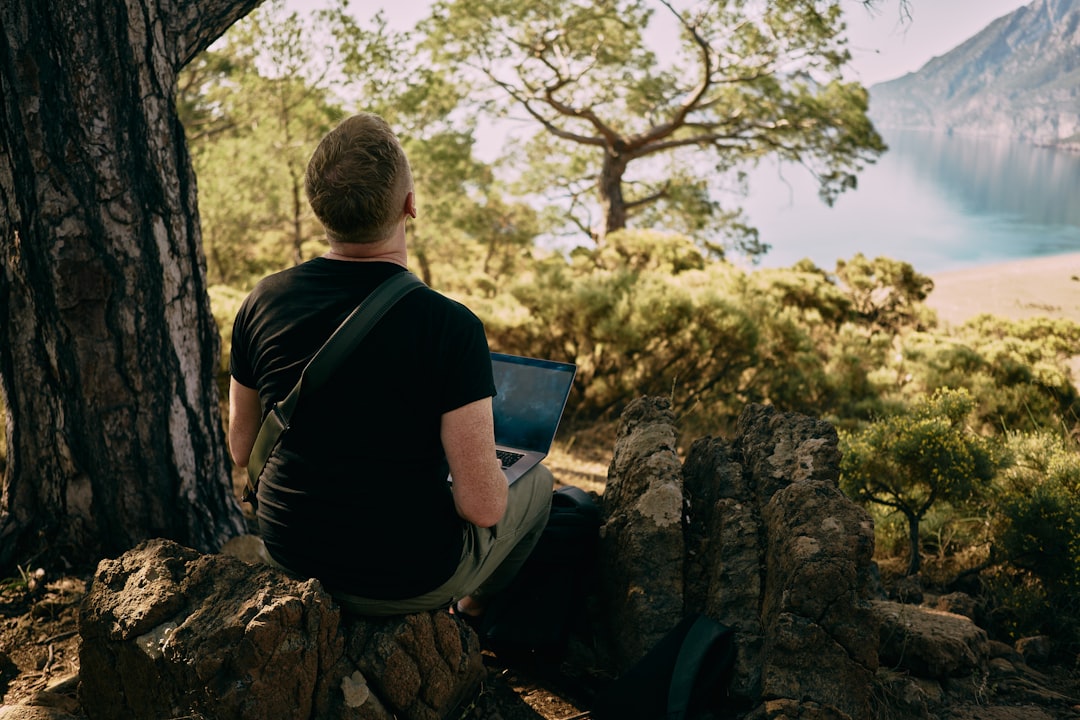
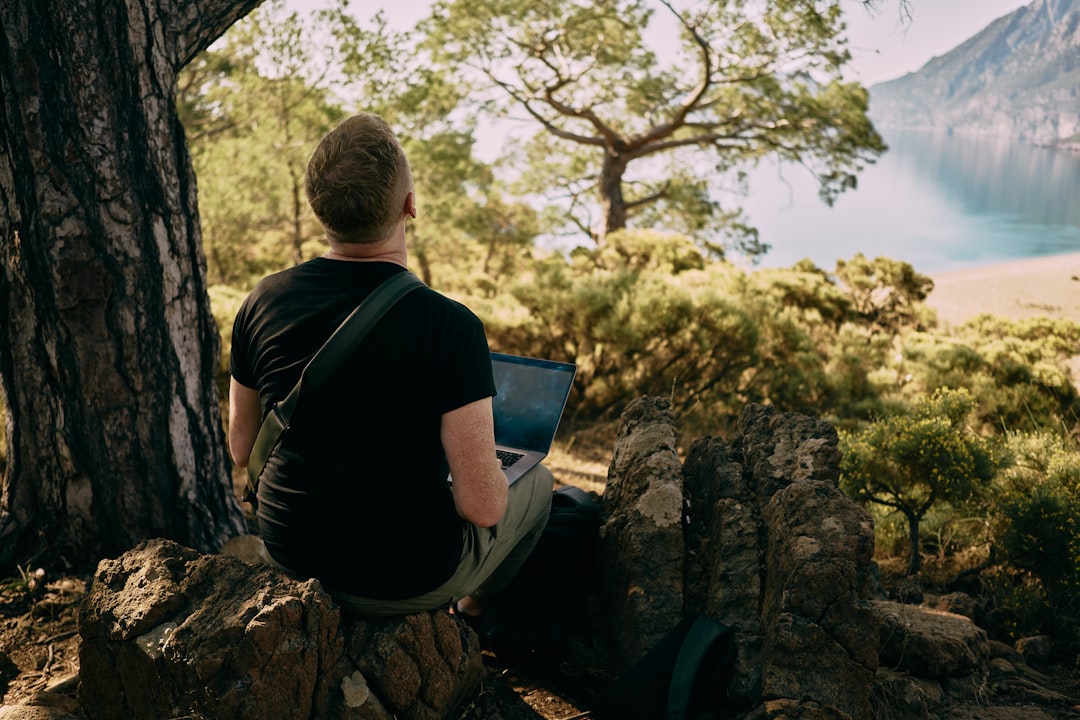
Imagine this: an entire month in a corner of the world calling your name, with your laptop in tow and the freedom to explore whenever you please. Does it sound like a fantasy? Not at all! In this era where the office no longer has walls and the world opens up like a book, combining work with a good month-long adventure is a dream come true for many. It’s that perfect balance: enough time to feel like a local, advance your projects, and live life to the fullest, without the hassle of endless nomadism. This isn’t just an escape; it’s an investment in yourself, a kick to boredom, a way to open your mind, hone your skills, and, who knows, discover a new passion!, all while crushing your work.
And mind you, it’s not just anything; it’s a winning combination. From truly immersing yourself in a culture, beyond typical selfies, to training your brain to be an adaptation, problem-solving, and self-management ninja in a completely new environment. The financial part? Well, your own work allows you to sustain the adventure, so you don’t exhaust your soul (or your bank account) in the attempt! And on a personal level, phew!, a surge of self-knowledge, confidence, and a network of contacts that will leave you speechless.
But wait, how do we go from fantasy to a packed suitcase? Well, my friend, with head and heart. This isn’t magic; it’s strategy. This guide is your treasure map, breaking down each stage so that your month-long work and adventure trip not only meets but explodes your expectations! From the first spark of the idea to the “I’m home!” and the emotional hangover, we tell you everything to make your experience as enriching as it is memorable.
Section 1: Before You Dive In: Laying the Foundations for Your Great Escape
Before you book a single flight or put the first T-shirt in your suitcase, it’s essential to lay a solid foundation. This first phase is an exercise in self-reflection and extensive research, sketching out the skeleton of your adventure.
1.1. Why Do I Want This? Define Your Goals and Expectations
The first and most important step is to look in the mirror and ask: “Why do I want this?” Your motivations will not only tell you where to go but also what kind of work suits you and how you want to experience the adventure.
- What truly drives you? Do you want to master a language, learn something new for your career, immerse yourself in a specific culture, save some money, escape the routine, or simply live a great adventure? A month is gold, so having clear goals will help you make smart decisions at every stage. If your heart desires cultural immersion, perhaps volunteering or living with a local family might be your thing. If it’s to boost your career, a destination with a vibrant digital nomad community or good coworking spaces could be your paradise.
- Your job vs. your travel style:
- Remote Work/Freelance: Freedom in its purest state! Maximum flexibility of where and when. But beware, you need discipline and an internet connection that won’t make your life impossible.
- Volunteering: Often includes accommodation and food in exchange for helping out. Ideal for tight budgets and for truly feeling like part of the community (check Workaway, WWOOF, Helpx).
- Seasonal or Temporary Work: For a month and with visa paperwork, this is more of a headache. Only if you take the risk and the law allows it in sectors like tourism or agriculture.
- Entrepreneurship or Local Skills: Do you have a talent? Teaching English, giving yoga classes, taking photos… you can supplement your income or even barter!
- Your adventure style: Are you a backpacker with a free spirit, seeking maximum economy and flexibility? Or do you prefer a bit of “glamour” in your comforts? Your style will dictate everything in your budget and where you sleep. Think about how much uncertainty you can handle, how comfortable you feel in the unknown, and whether you’re more into socializing or having your moment of peace.
1.2. Time to Scout Destinations! Your Initial Research
With your ideas clear, it’s time to scout destinations! This is where the fun (and practical part) begins, considering those key factors that will make or break your trip.
- Climate and season: Are you fleeing winter, seeking summer sun, or do you love the changing leaves? Check the weather for your destination during the month you plan to go. Your suitcase and your plans will thank you!
- Culture and safety: Like at home, but on the other side of the world. Inform yourself about local customs, how to behave, and if it’s a safe place for you, especially if traveling alone. Is communication easy? Read travel blogs, forums, and check your government’s travel advisories. It’s vital!
- Your wallet dictates: cost of living: This is a key factor. Compare prices for accommodation, food, transportation, and entertainment. Southeast Asia, Eastern Europe, or Latin America are usually more budget-friendly than Western Europe, North America, or Australia.
- Don’t get caught off guard with paperwork! Visas and entry: For one month, most passports can enter many countries with a tourist visa or even without one. But always, ALWAYS, verify the specific rules. A tourist visa is for “tourism,” not for legally working, so remote work or informal volunteering are usually the most viable options.
- Connectivity and resources: If remote work is your choice, an internet connection that won’t make your life impossible is INDISPENSABLE. Research whether there’s Wi-Fi, what mobile networks are like, and if there are coworking spaces. Also, think about public transportation and easy access to hospitals or banks.
1.3. The Least Sexy But Most Vital Part: Your Finances and an Initial Budget
Now, the least sexy but most vital part: money. Let’s be honest about the wallet. Financial reality is the anchor of any travel plan.
- How much do you have vs. how much do you need? Calculate how much money you have available and compare it with an initial estimate of what everything will cost (flights, insurance, bed, food, activities, a “just in case” fund). If there’s a huge gap, get to work to fill it with a realistic savings plan!
- Imagine you’re a detective of your own money: key expense estimation:
- Flights: The biggest chunk at the beginning.
- Accommodation: Calculate a daily average based on your style.
- Food: Restaurants, cooking, or a bit of everything?
- Local Transportation: Buses, trains, taxis, renting something?
- Activities and Entertainment: Tours, museums, excursions.
- Travel Insurance: This is non-negotiable!
- Contingency Fund: Essential. An extra 15-20% for unforeseen events (emergencies, flight changes, theft!).
- Your income projection during the trip: If you’re going to “telework,” accurately calculate how much you’ll earn. Make sure these earnings cover at least your essential expenses, if not your entire budget.
1.4. Don’t Get Caught Unprepared! Legal and Documentation Considerations
Paperwork is your passport to travel. This section is extremely important to avoid setbacks before and during your trip.
- Your best travel friend: the passport: Make sure your passport is valid for at least six months *after* your planned return date. Some countries require up to 90 extra days. And make sure it has enough blank pages for stamps, please!
- Don’t gamble with visas: Research if you need a visa for your destination. For one month, many countries allow entry with a tourist visa, but it is CRUCIAL to understand that a tourist visa *does not* authorize you to work for pay. If your work is remote for your home company, there’s usually no problem, but if you plan to seek local work, you would need a work visa, which is almost impossible for one month.
- If you’re going to drive: international driving permits: If you plan to drive, check if your national license is valid or if you need an International Driving Permit (IDP). It is a supplementary document to your original license.
- A trump card that always comes in handy: other documents: Carry copies of birth certificates, marriage certificates (if applicable), or any other relevant document for an emergency. Both physical and digital!
Section 2: Let’s Get to Work! The Foundations Are Laid, Now Build Your Flying Castle
With the preliminary phase complete, it’s time to delve into the logistical details that will make your trip possible and smooth. This is the stage where the plan takes concrete shape.
2.1. Money, the Great Propellant: Define Your Type of Work and Secure It (or Plan the Search)
Your income source is the engine that will enable your adventure. Securing it is paramount.
- Remote Work/Freelance:
- Secure clients before you go: If you’re a freelancer, it’s vital to have stable projects and clients before you leave! Communicate your trip in advance to manage expectations and possible schedule adjustments.
- Establish schedules and tools: Define a realistic work schedule that adapts to your new environment and time differences. Invest in communication and collaboration tools (Slack, Zoom, Asana) and make sure everything is configured.
- The time zone jet lag: If you work for clients in your home country, the time difference can be a challenge. Plan meetings and deliveries intelligently, perhaps by adjusting your sleep schedule!
- Volunteering:
- Reliable platforms: Explore Workaway, WWOOF (for organic farming lovers), HelpX, or Worldpackers. They are gold for connecting with hosts who offer you accommodation and/or food in exchange for help.
- Advantages: It’s the magic formula to save on accommodation and food, feel part of the culture, and meet people. Work hours are usually reasonable (4-5 hours a day, 5 days a week), leaving you time to explore.
- Select programs carefully: Read reviews from other volunteers, chat with the host before committing, and make sure the work and conditions align with what you’re looking for.
- Seasonal or temporary work (for 1 month, forget it!):
- For one month, obtaining a temporary work visa is generally unfeasible due to the timeframes and lack of specific programs. If this is your only option, you would need very deep legal research, and even then, it’s highly unlikely.
- Risks of “under-the-table work”: Working without a proper visa or permit is illegal and can lead to fines, deportation, and future entry bans. Don’t get yourself into trouble!
- Personal entrepreneurship / Small services:
- If you have skills you can offer directly to the community (language classes, massages, photography tours), this can generate extra income.
- However, don’t rely exclusively on this, as demand and legality can vary.
2.2. Time to Magnify Money: Detailed Budget and Financial Management
Now is the time to fine-tune your budget and establish strategies for managing your money. Every cent counts, so be a “Jedi master” of your finances!
- Detailed budget creation:
- Break down every cent: List all possible expenses: flights, insurance, visas, accommodation (per day/week), food (breakfast, lunch, dinner, snacks), local transportation, activities (visits, tours), communications (local SIM, data), entertainment, shopping, and, of course, the contingency fund.
- Classify expenses: Separate fixed expenses (flights, insurance) from variable ones (food, activities). Use a spreadsheet or travel budgeting apps (like Trail Wallet or Spendee) for accurate tracking.
- Weekly review: Commit to reviewing your expenses weekly to ensure you’re not overspending and adjust if necessary.
- Before you go, tighten your belt! Strategic pre-trip saving:
- Automate your savings: Set up automatic transfers to a savings account.
- Cut unnecessary expenses: Analyze your current monthly expenses and see where you can reduce (fewer take-out coffees, cancel unused subscriptions, eat more at home).
- Additional income sources: Sell things you no longer use, take on extra jobs, or consider passive income if you can.
- Money management abroad:
- Commission-free cards: Research banks that offer cards with no fees for international transactions or ATM withdrawals. This will save you a lot of money!
- Notify your bank: Super important! Inform your bank about your dates and destinations so they don’t block your cards for “suspicious activity.”
- Cash for emergencies: Always carry a small amount of local currency in cash for taxis, tips, or if cards don’t work.
- Banking apps: Make sure you have access to your bank’s apps to monitor your accounts and make transfers if necessary.
- Diversify: Don’t rely on a single card. Have at least two from different banks, stored in separate places.
2.3. Your Home Away From Home: Strategic Accommodation
Accommodation is a crucial part of your budget and experience. Plan ahead to secure the best options.
- Versatile accommodation options:
- Hostels: Ideal for socializing, economical, and often well-located. Many have private rooms in addition to shared dorms.
- Airbnb/Vrbo: Excellent for more privacy, kitchen access, and feeling “at home.” Look for weekly or monthly stay discounts.
- Couchsurfing: A free option to connect with locals and immerse yourself in the culture, though it requires flexibility and an open mind.
- Homestays: If you’re looking for deep linguistic or cultural immersion, this is a great option!
- Volunteer/Work Accommodation: If you’re volunteering, accommodation is often included, drastically reducing your expenses!
- Advance bookings vs. flexibility:
- First few days/fixed week: It’s advisable to book at least the first few days or the first week to have a secure base while you acclimatize.
- Flexibility for the rest: If you’re adventurous, you can leave the rest of the month open and book on the fly, giving you more freedom if you change your mind. However, for a one-month trip where work is important, a more stable base might be beneficial.
- Location: Prioritize accommodation near your workplace (if applicable) or well-connected to public transportation, and in safe and convenient areas.
2.4. How You’ll Move: From the Clouds to the Asphalt. Let Nothing Stop You!
How you move is as important as where you stay.
- International flights:
- Be a deal hunter: Use search engines like Google Flights, Skyscanner, or Kayak. And enable incognito mode in your browser so prices don’t go up!
- Price alerts: Set up alerts to receive notifications when flight prices drop.
- Date flexibility: If your dates are flexible, search within a range of days or weeks to find the cheapest deals. Flying on weekdays or during the off-season is usually cheaper.
- Alternative airports: Consider flying to smaller nearby airports, which often have lower fares.
- Luggage: Decide if you can travel with only carry-on luggage to save costs and time, or if you need to check a bag.
- Local transportation:
- Skip the taxi, use the bus: Research the public transportation system (metros, buses, trams). There are often monthly or weekly passes that are more economical. Use local transport apps to plan routes.
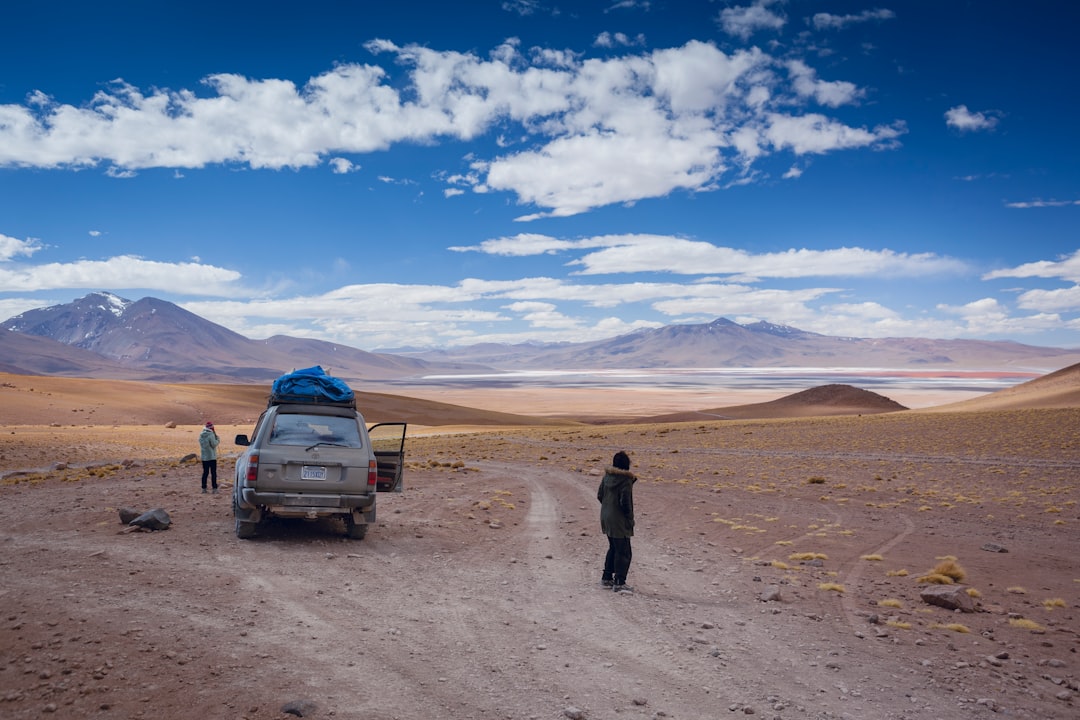
- Car/motorcycle rental: If you plan to explore rural areas or need a lot of flexibility, consider renting a vehicle. Make sure you have the appropriate driving permit and comprehensive insurance.
- Bikes and walks: In many cities, biking and walking are excellent ways to get around and explore at low cost.
- Ridesharing: Uber, Lyft, Grab (Asia), and other apps are convenient but can be more expensive than public transportation.
2.5. Your Health Comes First! And Safety, No Scares!
Never underestimate the importance of your physical well-being and personal safety.
- Don’t even think about leaving without it! Comprehensive travel insurance:
- Medical coverage: Absolutely essential. Make sure it covers medical emergencies, hospitalization, treatments, and, if possible, emergency dental services.
- Evacuation and repatriation: Verify that it includes coverage for emergency medical evacuation and repatriation to your home country if necessary.
- Trip cancellation/interruption: Useful if something prevents you from traveling or if your trip must be cut short prematurely.
- Theft and lost luggage: Coverage for your belongings is a plus.
- Read the fine print: Compare different policies (World Nomads, SafetyWing, IATI Seguros, etc.) and understand what is covered and what is not, especially if you plan adventure activities.
- A month away is time: vaccinations and medical consultation:
- Visit your doctor: Consult your doctor at least 6-8 weeks beforehand to review your health, discuss recommended or required vaccinations for your destination, and ensure you have enough prescribed medication.
- Basic travel first-aid kit: Include painkillers, antacids, antihistamines, band-aids, hand sanitizer, insect repellent, diarrhea medication, sunscreen, and any personal medications you need.
- Common sense, please: personal safety:
- Research safe/dangerous areas: Familiarize yourself with areas to avoid in your destination.
- Basic precautions: Avoid displaying valuables, be aware of your surroundings, don’t walk alone at night in poorly lit areas, and exercise caution when using ATMs.
- Emergency contacts: Have a list of local emergency numbers (police, ambulance, consulate/embassy), as well as your personal contacts.
- Copies of documents: Keep physical and digital copies of your passport, visas, travel insurance, and bookings in a safe place, separate from the originals. Consider using a money belt to store important documents.
- Digital security: Use a VPN (Virtual Private Network) when connecting to public Wi-Fi networks to protect your data. Back up your important information to the cloud.
Section 3: The Countdown. Suitcase, Papers, and Fly!
With the main logistics in place, attention turns to the final details and how you’ll physically prepare for departure.
3.1. Your Papers: Your Treasure. Keep Them Safe and Handy
A well-organized documentation system will save you stress and potential problems.
- Everything duplicated: physical and digital copies: Make several copies of your passport, visas, credit cards (note customer service numbers), insurance policy, flight itinerary, and accommodation bookings. Keep one set in your checked luggage (if you have any), another in your carry-on, and send digital copies to your email, a cloud service (Google Drive, Dropbox), and a trusted contact at home.
- Let them know who to call: emergency contacts: Make sure an emergency contact is clearly indicated on your mobile (e.g., “ICE” – In Case of Emergency) and on a physical card in your wallet.
- A wild card that always comes in handy: extra passport-sized photos: Carry them with you; you never know when you’ll need them for an emergency visa, a permit, or identification.
3.2. The Perfect Suitcase Doesn’t Exist… But the Smart One Does! Less Is More, Believe Me!
A month-long trip demands intelligent packing. Less is more, especially if you plan to move around.
- Onion mode on: the layering philosophy: Pack clothes that can be combined and worn in layers. Consider the climate of your destination, but also the possibility of unexpected changes. Quick-drying clothes are a plus.
- Multipurpose garments: Pants that convert into shorts, T-shirts that work for both work and leisure, a large scarf that can be a scarf, sarong, or blanket.
- Footwear: Limit yourself to two or three pairs: one comfortable pair for walking (essential!), a more formal pair if needed for work, and sandals or flip-flops.
- Your portable office: essential electronics:
- Laptop and mobile: Your work and communication tools. Make sure they are in good condition.
- Chargers and universal adapters: Indispensable! Research the type of plug in your destination.
- Power Bank: Vital for keeping your devices charged on the go.
- Noise-canceling headphones: A lifesaver for working in noisy environments or during long flights.
- Miniatures, please: personal items:
- Travel size: Buy small versions of your toiletries or refill reusable containers. This saves space and weight, and is easier for carry-on luggage.
- Personal medication: Bring enough for the entire month, plus a few extra days just in case. If it’s prescription medication, carry a copy of the prescription or a letter from your doctor.
- If you can, only carry-on! Carry-on vs. checked luggage:
- Prioritize carry-on: This saves you time at the airport, reduces the risk of loss, and makes moving around easier.
- Daypack: A small, foldable backpack for daily excursions, to carry your laptop, or as extra luggage on the plane.
3.3. Your Digital Toolbox: Your Office, Your Compass, Your Connection to the World
Your technological arsenal is your mobile office and your connection to the world.
- Communication:
- eSIM/Local SIM: Research buying an eSIM (virtual SIM card) before traveling or a local SIM upon arrival. This is much cheaper than roaming!
- International data plans: If eSIM or local SIM are not viable, some carriers offer competitive international plans.
- Messaging apps: WhatsApp, Telegram, Signal, etc., are essential for free communication.
- Productivity:
- Office software: Make sure you have access to all the tools you need for your work (Microsoft Office, Google Workspace, specific software).
- Collaboration tools: Slack, Trello, Asana, Zoom, Google Meet.
- VPN (Virtual Private Network): Crucial for the security of your data when using public Wi-Fi and for accessing content that might be geo-restricted!
- Cloud storage: Back up your important files.
- Navigation and planning:
- Google Maps Offline: Download maps of your destination to use offline. Your lifesaver!
- Transportation apps: Uber, Grab, local public transport apps.
- Translation apps: Google Translate (with offline language downloads) or DeepL.
- Entertainment:
- E-books/Audiobooks: For leisure moments or long journeys.
- Music and Podcasts: Download your favorites for offline listening.
3.4. Leaving the Nest Tidy. So Those at Home Don’t Worry
A month is enough time for some things at home to need attention.
- Tell them where you are: inform family and friends: Give them your itinerary and emergency contacts. And maintain regular communication!
- Domestic matters:
- Automatic bills: Make sure all your bills (rent, utilities, credit cards) are set up for automatic payment or that a trusted person manages them.
- Postal mail: Ask a neighbor or family member to collect your mail or redirect it.
- Plants and pets: Arrange for someone to take care of them.
- If you have a boss, notify them in advance: pre-trip work: If you work in an office, inform your employer with due notice and plan your absence to minimize disruptions.
Section 4: You’re in Glory! How to Make the Most of Every Second Without Dying in the Attempt
Once you land, planning transforms into execution. This phase is about maintaining balance, adapting, and fully immersing yourself in the experience.
4.1. The Secret to Success: Finding Your Rhythm. You’re Not a Robot, But You’re Not on Eternal Vacation Either
The key to a successful work and adventure trip is finding a rhythm that allows you to be productive while also exploring.
- Don’t burn out working, don’t forget to enjoy: balance is key: Resist the temptation to work non-stop or to be constantly on vacation. A month goes by quickly, and you need time for both.
- Schedule your work: fixed work hours: Establish dedicated blocks of time for work each day. This could be in the mornings, afternoons, or even during time slots that better suit your clients’ time zone. Discipline is your best ally!
- Don’t forget the “why” of all this: time to explore: Explicitly integrate time for adventure. This could be evenings after work, weekends, or designating a couple of days a week for longer excursions. Don’t forget that you are there to experience.
- But sometimes life surprises you: flexibility: Even if you have a routine, be flexible. Sometimes spontaneous travel opportunities or activities will arise, and you should be willing to adjust your work schedule if possible. A changing environment requires an adaptable mind.
4.2. Don’t Be Just Another Tourist: Be a Soul Explorer! Connect for Real
Beyond work, your goal is to live an authentic experience.
- A “hello” in their language opens more doors: learn basic phrases: A few words in the local language (greetings, thank you, please, excuse me, how much does it cost?) open doors and show respect.
- Get into the thick of it: participate in local activities: Look for local markets, festivals, cooking classes, craft workshops, or sports events. This gives you a deeper insight into daily life.
- Eat, eat, and eat again: gastronomy: Try street food, traditional dishes, and small, authentic restaurants. Food is a window to culture!
- Be a good guest: respect customs and traditions: Research and respect cultural norms, dress codes (especially in religious places), and social etiquette. Respectful behavior is fundamental.
- Don’t isolate yourself: connect with locals and other travelers: Don’t limit yourself to your “bubble.” Strike up conversations with local people, look for expat or digital nomad communities, and connect with other travelers in hostels or coworking spaces. These interactions will enrich your perspective!
4.3. Working in Paradise… Also Has Its Challenges! But You Can Handle Anything
Working in a new environment has its peculiarities.
- Time zone jet lag is real: time zones and communication: Manage time differences with your clients or team. Be proactive in communication, informing your availability and possible delays.
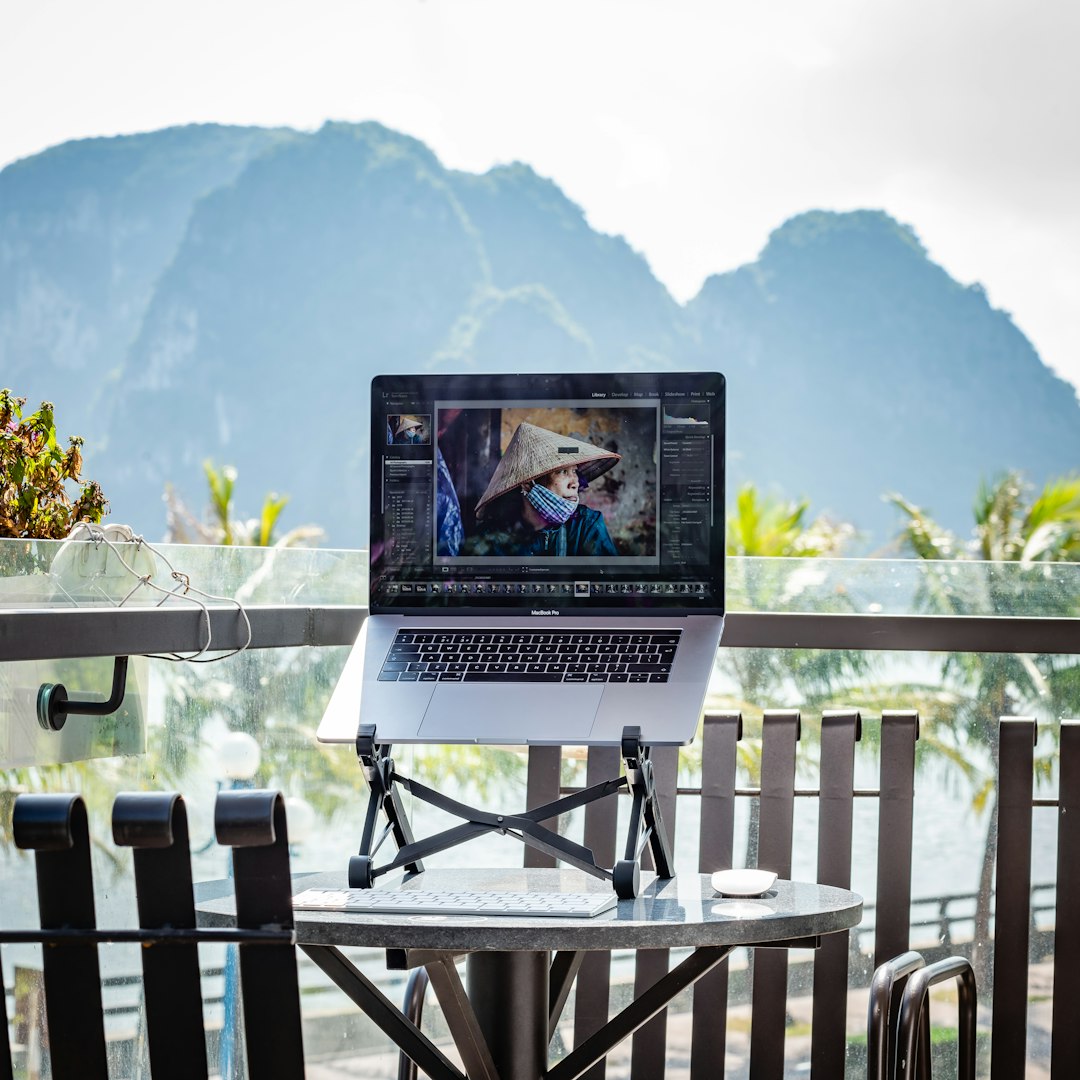
- Not all bars are your office: finding suitable workspaces: Not all accommodations are ideal for working. Look for cafes with good Wi-Fi, libraries, coworking spaces (many offer day or week passes), or designated areas in your hostel/Airbnb.
- That beach is calling you… but first, work! Dealing with distractions: A new destination is inherently distracting. Be aware of the “vacation temptation” and prioritize your work before going out to explore. Use time management techniques like the Pomodoro Technique.
- Wi-Fi is like air: connectivity: Always have a backup plan for Wi-Fi (local SIM with data, mobile hotspot) in case of failures.
- Traveling is cool, but tiring: mental health: Constant change, loneliness, or overstimulation can be exhausting. Prioritize rest, exercise, and social connections. Take care of your mind!
4.4. Prepare for the Unexpected! Life Is Like That, and Travel Even More So
Travel, especially adventure travel, is full of unforeseen events.
- A plane is delayed, it pours rain… don’t panic! Plans change: Your flight might be delayed, a place might be closed, the weather might be adverse. Accept that not everything will go as planned and embrace the adventure in the change.
- Become a travel MacGyver: problem-solving: Develop your ability to solve problems on the fly. Trust your intuition and look for creative solutions.
- The best stories come from the unexpected: open yourself to new opportunities: Some of the best memories arise from spontaneous decisions or changes of plans. Be open to new friendships, unexpected routes, or unplanned experiences.
4.5. Don’t Let a Single Euro Slip Away: Continuous Financial Management
Keeping track of your finances is crucial to avoid running out of money prematurely.
- Every coffee, every ticket: monitor expenses daily/weekly: Use your budgeting app or spreadsheet to record every expense. This allows you to see if you’re overspending and adjust your behavior.
- Don’t let anyone break your bank: check bank accounts: Access your online accounts regularly to ensure there are no fraudulent transactions and to see your available balance.
- That cushion is for that: contingency budget: Don’t forget you have an emergency fund. Use it only when absolutely necessary, and if you do, try to replenish it if your income allows.
4.6. Don’t Let Your Memory Slip Away! Treasure Your Memories
Capture your memories to relive and share them.
- Shoot without fear: photos and videos: Take many photos and videos. Not only of the landscapes, but also of the people, the food, everyday details.
- Write: travel journal: Writing a journal is an excellent way to process your experiences, reflect on what you learn, and record details you might forget.
- If you feel like it, share your magic with the world! Blog or social media: If you enjoy sharing, a blog or your social media can be a platform to tell your story and connect with others.
Section 5: The Return Home. It’s Not the End, It’s the Beginning of the Next Adventure!
The adventure doesn’t end when the plane lands in your home city. The post-trip phase is crucial for integrating what you’ve learned and preparing for the next chapter.
5.1. The “Shock” of Return: Land Calmly. Give Yourself Time to Be “You” at Home Again
Returning to routine can be more challenging than you imagine.
- It’s normal to feel a bit “off”: reverse culture shock: It’s common to feel a mix of melancholy for the end of the trip and a certain disorientation upon returning to daily life. Give yourself permission to feel it and be patient with yourself.
- Tell everything: share experiences: Talk to your friends and family about your adventures. Sharing your stories is not only gratifying but also helps you process what you’ve lived.
- Don’t rush back to the office the next day: plan the first few days: If possible, give yourself a few days to unpack, rest, catch up on jet lag, and readjust before diving back into routine. This facilitates the transition.
5.2. Time to Take Stock. What Do You Carry in Your Soul’s Backpack?
Reflecting on your trip is an essential part of personal growth.
- Be your own critic: What worked well and what didn’t? Analyze which aspects of your planning were successful and which you could improve for future trips. Was the destination suitable? Did the type of work function well? Did you manage your time effectively?
- Revisit your initial goals: Were your objectives met? Review the goals you set at the beginning. Did you achieve them? Were there other unexpected benefits?
- How has this changed you? Personal and professional growth: Identify how the trip has changed you. Are you more adaptable, independent, creative, or have you acquired new skills? How can you apply these lessons to your professional and personal life? This type of trip is often a catalyst for deep self-knowledge.
5.3. Don’t Lose Touch! The People You Met Are Part of Your Story Now
The connections you make along the way are one of the greatest treasures of travel.
- Those new friends, those contacts… treasure them like gold! Connections made: Stay in touch with the people you met: locals, other travelers, volunteer colleagues. They could be lifelong friends or valuable professional contacts.
- You’ve got the bug… onto the next adventure! Inspiration for future trips: Your experiences and the stories of other travelers can inspire your next adventure. The community of digital nomads and travelers is vast and supportive.
5.4. Closing the Circle: Final Bureaucracy, Order at Home
Close the administrative cycle of your trip.
- The dreaded task: unpacking and organizing: Unpack, do laundry, and put away your belongings. Organize any souvenirs or mementos you brought back.
- The final budget check: review final expenses: Take a final balance of your budget to see how much you actually spent and if you stayed within what you planned. Learn from it for the future.
- Showtime: share photos and videos: Edit and share your photos and videos with friends and family. Create an album or a compilation video to permanently save the memories.
- If something needs to change at work, do it! Work adjustments: If your remote work requires post-trip adjustments (schedule change, projects), communicate and execute them.
Conclusion
A month-long work and adventure trip is much more than a simple getaway; it’s a transformative experience that fuses professional productivity with the richness of cultural exploration. It requires meticulous planning, discipline, and an open mind, but the rewards are immeasurable: an expanded horizon, new skills, global connections, and a deep appreciation for the world’s diversity.
By following this step-by-step guide, you will be equipped with the tools and knowledge necessary to turn your dream into a tangible reality. Remember that preparation is the foundation, but the true magic lies in adaptability and the willingness to immerse yourself in the unknown. So, take the first step, plan with intention, and prepare for a month of growth, discovery, and adventure that you will remember for a lifetime. The world awaits you!