Slomadismo Has Arrived: Why Digital Nomads Are Slowing Down in 2026
Introduction: A Respite from the Constant Race for Novelty
For the past decade, the idea of the “digital nomad” has captivated many. Who hasn’t dreamed of limitless freedom, working from a paradise beach or exploring an exotic city without ties? With technology in our pockets and remote work increasingly accepted, this lifestyle soared, attracting legions of professionals seeking to escape the typical office. The idea of carrying the “office” in a backpack and experiencing a thousand cultures while your career thrived sounded like the pinnacle of modern autonomy.
But now, in 2026, something different, calmer, and deeper is gaining momentum: “Slomadismo.” It’s like a conscious evolution of the digital nomad, a shift from that frantic search for the next adventure to a clearer intention to put down roots (even if for a while), connect authentically, and live more sustainably. Nomads aren’t hanging up their backpacks; instead, they are redefining what that freedom means, choosing longer stays, a more authentic immersion, and a more balanced life, far from the burnout that often came with constant movement. In this article, we will delve into the “why” behind this significant change. We will see how Slomadismo is not a mere trend but a logical and necessary response to the challenges that traditional digital nomadism brought with it.
1. The Spark of Digital Nomadism: A Rapid Journey to a Not-So-Simple Reality
The seed of the digital nomad is not new; writers and artists have been working remotely for a long time. But it was the boom of the internet in the late 20th and early 21st centuries, with all its online communication tools, that turned it into a massive phenomenon. Suddenly, you could access everything, communicate with clients and colleagues, and run your business from any corner with Wi-Fi. That dream became real. Freelancer platforms, coworking spaces, and online communities sprouted like mushrooms, creating a whole infrastructure for this new way of life.
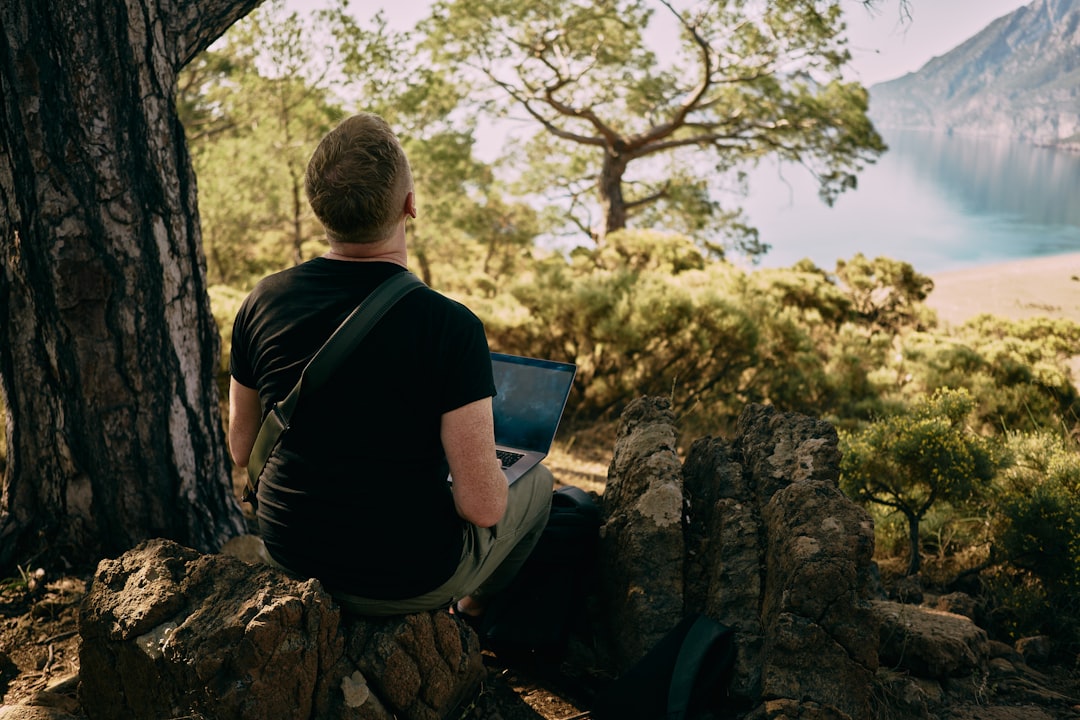
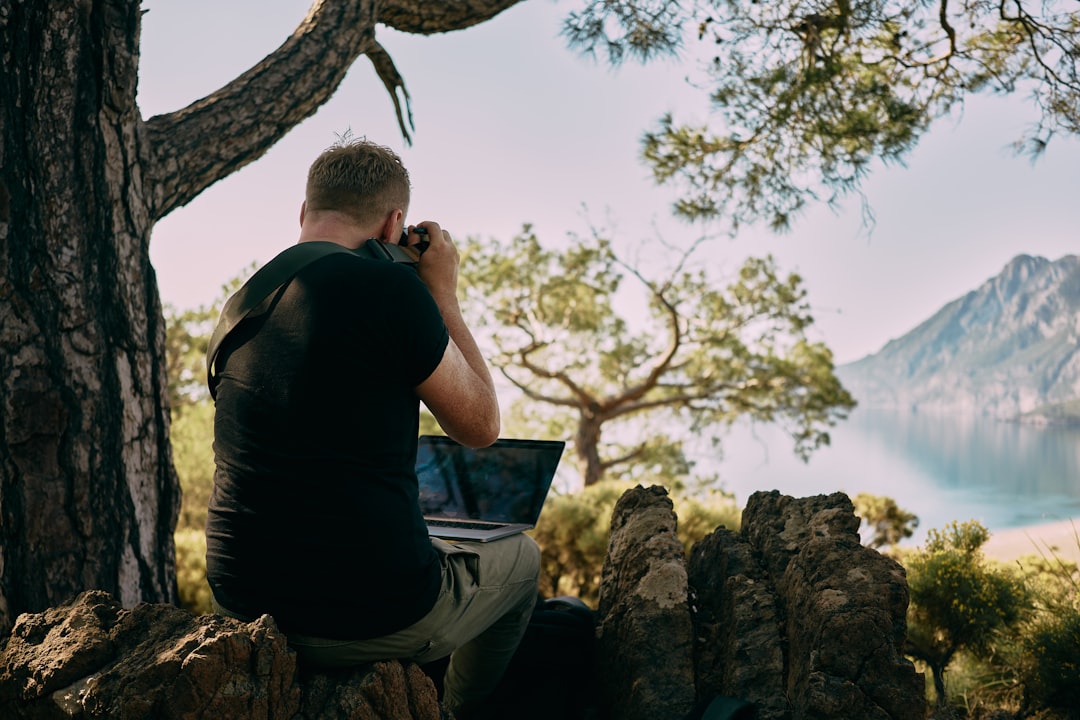
The promise was irresistible: a month in Bali, then Lisbon, and then Medellín, free from the shackles of a 9-to-5 schedule. Social media filled with idyllic photos: laptops against spectacular landscapes, a lifestyle of endless adventure and effortless productivity. This glorified image fueled exponential growth, attracting young professionals, entrepreneurs, and creative people. “Fast travel” became the norm; many digital nomads hopped from one country to another every few weeks or months, chasing novelty and that famous FOMO (fear of missing out). “Freedom” was confused with “perpetual mobility,” creating a silent pressure to always be on the move, always discovering the next exotic destination.
But such speed brought its own hidden problems. Connections, both personal and cultural, remained superficial. The logistical headaches—visas, insurance, managing money in a thousand currencies—ate up precious time. And that constant search for a “new home base” meant a lack of routine and stability that, over time, began to take its toll. What promised to be a liberating dream, for many, was becoming an exhausting and often lonely obstacle course. The gap between the Instagram fairy tale life and the raw reality of nomadism grew, setting the stage for a re-evaluation.
2. Cracks in the Facade: When the Suitcase Exhausts More Than It Inspires
The perfect image of the digital nomad often hid the complexities and sacrifices of this life. As the community grew, voices emerged from those living the downside, revealing that uninterrupted freedom had its flaws. Burnout was not an isolated case but a common experience that pushed many to seek something different.
2.1. The Mental and Emotional Rollercoaster of Constant Movement
One of the hardest hits is on mental health. Constantly adapting to new places, time zones, and cultures can be exciting at first, but over time it becomes chronic stress. “Decision fatigue” is a constant companion: choosing the next destination, the best route, where to sleep, where to eat or work… each day is a battery of micro-decisions that mentally exhaust us. This burden adds to the difficulty of maintaining stable and healthy routines.
Loneliness is another weight. Yes, digital nomad communities offer an initial network, but the transient nature of those relationships makes forging deep and lasting friendships almost impossible. One finds oneself saying goodbye again and again, leading to a cycle of superficial connections and a persistent feeling of rootlessness. The lack of a stable support system and distance from family and friends can intensify feelings of isolation, anxiety, and depression. Even identity falters: if your home is where you drop your suitcase, how do you develop a sense of belonging or local community?
2.2. The Physical Toll and Body Wear-and-Tear
The body also suffers from the relentless pace of nomadism. Chronic jet lag, irregular sleep, and the disruption of exercise and eating routines are commonplace. Finding healthy and affordable food in each new place, or a decent gym, can be a challenge. The physical stress of frequent travel, constant packing and unpacking, and adapting to different climates and diets can lower our defenses and make us more prone to illness. The difficulty of accessing continuous and quality medical care in different countries adds an extra layer of anxiety.
2.3. Real Costs Beyond “It’s Cheap Here”
Although many nomads embark on this journey with the promise of a low cost of living in certain regions, the financial reality can be more complex. Hidden costs add up quickly: frequent flights, visa fees, travel insurance, short-term accommodations (which are usually more expensive than long-term), taxis upon arrival at each location, and the constant need to eat out. Managing multiple currencies and exchange rate fluctuations adds complexity. For freelancers and entrepreneurs, income instability can be a constant source of stress, and the lack of a stable tax base complicates long-term planning. Saving for a home or retirement becomes difficult when variable expenses are so high.
2.4. Bureaucracy, That Invisible Monster
Digital nomadism demands an immense amount of administrative and logistical work. Endless research on visas, immigration laws, travel and health insurance consumes hours. Keeping finances in order with different banks and countries, dealing with physical mail (or the lack thereof), and taxes in multiple jurisdictions is an overwhelming task. The need to constantly find a new place to live, a new SIM card, new transportation, and familiarize oneself with each local system can be exhausting. This mental and bureaucratic burden drains energy that should be used for work or enjoying the trip, turning what should be an adventure into an endless to-do list.
3. What is Slomadismo? A New Way to Understand Remote Work and Life
Faced with all these challenges of fast-paced digital nomadism, “Slomadismo” (from “slow nomadism”) emerges as a thoughtful and sustainable response. It’s not about abandoning remote work or location independence, but about reinventing them with a philosophy that values depth over quantity, connection over superficiality, and sustainability over speed.
3.1. Its Core: Conscious Choice, Deepening, and Sustainability
At the heart of Slomadismo lies a profound intention. Instead of moving on impulse or due to social media pressure, Slomads choose their destinations and how long they stay with a clear purpose. They seek to truly immerse themselves in the local culture, understand it beyond tourist hotspots, and have the opportunity to forge meaningful connections with local people. This pursuit of depth extends to everything: trying authentic food, learning the language, participating in local events, and contributing to the local economy.
Sustainability is another pillar. This includes personal sustainability (avoiding mental and physical exhaustion), financial sustainability (optimizing long-term expenses), and environmental sustainability (reducing the carbon footprint of so much travel). Slomads understand that a life of constant movement is not sustainable in the long run for themselves or for the planet.
3.2. Clues to Recognize a Slomad
- Long Stays: The most characteristic aspect of Slomadismo is the time spent in one place. Instead of weeks, Slomads stay for months, typically three to six, but often a year or even longer. This time allows for true integration and the creation of a routine.
- Full Immersion and Connection with People: With more time, Slomads can go beyond the surface. They learn the language, explore less touristy neighborhoods, shop at local markets, participate in community activities, and make friends with both locals and long-term expatriates. They strive to be part of the place, not just visitors.
- Routine and Stability: Being able to have a daily routine is gold for our well-being. This means finding your favorite coffee shop to work, a gym or park for exercise, a regular supermarket, and a consistent workspace. This stability fosters productivity, mental health, and that “home away from home” feeling.
- Mindful and Less Frequent Travel: Slomads do not give up travel, but they do it differently. Instead of ticking off many countries in a short time, they plan more meaningful excursions from their base, thoroughly exploring the region and limiting long flights. They prefer the quality of the experience over the number of passport stamps.
- Well-being First: Aware of the cost of fast-paced nomadism, Slomads actively care for their mental and physical health. This includes stress management, maintaining exercise and eating routines, and seeking a healthy balance between work and personal life.
- Clear Finances: Longer stays often translate into significant savings. Monthly rents are much cheaper than short-term ones, and buying food and bulk items reduces daily expenses. Reducing frequent travel costs also frees up money for investment or more enriching local experiences.
In summary, Slomadismo is not saying “no” to freedom but a more mature and conscious expression of it. It’s an approach that seeks to make the most of remote work while mitigating its drawbacks, creating a richer, more balanced, and connected life.

4. Reasons Driving the Slow Change in 2026
The rise of Slomadismo in 2026 is not something that emerges out of nowhere; it is the result of several global trends and the evolution of the digital nomad community itself. These forces are redefining the priorities and expectations of those who choose to work remotely.
4.1. Post-Pandemic Reflection
The COVID-19 pandemic was a global catalyst for reflection. Travel restrictions forced many digital nomads to settle in one place for extended periods. This unexpected pause allowed them to savor the stability, routine, and depth of local connections they might have previously overlooked. For many, this “mandatory stop” showed them the value of having a base, a community, and a sense of belonging. The pandemic also placed greater emphasis on health, safety, and the importance of community support, leading to a re-evaluation of dynamic lifestyles. The widespread normalization of remote work also demystified nomadism; if everyone can work from home, the novelty of working from a beach loses some of its charm, and the focus shifts more towards quality of life.
4.2. Maturity of the Digital Nomad Community
The first wave of digital nomads consisted primarily of young, single, adventurous individuals with few responsibilities. But as this community has grown, so have its members. Many pioneers are now older, some are starting families, looking to buy a home, or simply craving more stability and predictability. Shared experiences of burnout, loneliness, and logistical problems have spread, serving as a warning to new generations. The mindset has shifted from the “endless race” to a search for balance and authenticity. “Slomadismo” is seen as a natural evolution, a more mature phase of the nomadic journey.
4.3. The Wallet Speaks: Global Economic Factors
The global economy of 2026 presents challenges that tip the balance towards Slomadismo. Rising inflation and the cost of living in many cities around the world make fast and constant travel much more expensive. Flights, short-term accommodations, and in-country transportation have increased, squeezing nomad budgets. Longer stays allow for greater control over expenses, as long-term rents can be negotiated, meals cooked at home, and the local economy leveraged. Furthermore, the pursuit of long-term financial security, such as investing in property or establishing a local business, becomes more attractive, requiring a more stable base.
4.4. Conscious Travel: Environment and Ethics
As the climate crisis worsens and environmental awareness grows, the impact of frequent flights has become a significant concern. Digital nomads, often conscious of their global footprint, are increasingly willing to reduce their impact. Slomadismo, by minimizing long-distance flights and promoting more localized and conscious consumption, aligns better with sustainability values. Additionally, there is a growing concern for ethical tourism, ensuring that their presence benefits local communities sustainably, which is easier to achieve with deep immersion than with a fleeting visit.
4.5. Technology, Our Ally (Even in Slow Mode)
Paradoxically, the same technology that drove fast-paced nomadism now facilitates Slomadismo. Communication and collaboration tools are so powerful that remote work from more diverse and less “centric” locations is entirely viable. The increase in high-speed internet connectivity in previously inaccessible areas, coupled with improved co-living and coworking infrastructure catering to longer stays, allows Slomads to choose their bases based on quality of life and cost, rather than being limited to traditional “hubs.” Innovations in telemedicine and cross-border financial services also provide greater peace of mind for extended stays.
4.6. Talking About What Matters: More Mental Health Awareness
The global conversation about mental health has broadened significantly. There is greater understanding and acceptance that anxiety, depression, and burnout are real problems. Digital nomads, like any other group, are not immune. Recognizing that the constant pursuit of novelty and lack of roots can be detrimental to mental well-being has led many to seek lifestyles that prioritize stability, routine, and lasting social connections, which are hallmarks of Slomadismo.
5. The Slomad’s Handbook: How to Embrace the Slow Life
Adopting Slomadismo involves different planning and mindset compared to traditional digital nomadism. It’s not just about slowing down, but about redefining what it means to live and work remotely with clear intention.
5.1. Choosing Your Base With a Real Purpose
Choosing your “base” becomes a crucial decision for the Slomad. It is no longer a temporary stop but a place where you expect to build a life for months or years. The factors to consider are more complex:
- Cost of Living and Long-Term Rental Options: Is the monthly rent affordable? Are there furnished long-term housing options, or will you need to furnish an apartment?
- Climate and Nature: Is the climate pleasant for extended stays? Is there access to nature for outdoor activities?
- Culture and Community: Does the culture attract you and fit your lifestyle? Is there a vibrant local community and opportunities to integrate? Are there other expatriates or Slomads?
- Infrastructure: Reliable internet, good medical care, public transportation, access to fresh food, and basic services.
- Visas and Residency: Researching long-stay visa options, digital nomad visas, or even residence permits that allow prolonged stays without legal issues.
- The Test Run: Considering a “test” visit of a few weeks before committing to a longer stay is a smart strategy.
5.2. Your Long-Stay Budget: Financial Planning
Slomadismo can be more economically efficient in the long run but requires different financial planning:
- Location-Specific Budget: Create a detailed budget for each base, considering rent, utilities, food, local transportation, and leisure, which will differ from a fast travel budget.
- Banking and Taxes: Open local bank accounts if necessary and understand the tax implications of living in a country for an extended period. This may require professional advice.
- Reduced Travel Expenses: By reducing frequent flights and transportation, a significant portion of the budget is freed up for other purposes, such as saving or immersive experiences.
- Local Investments: Longer stays can open the door to small local investments or even property purchases, depending on your financial goals.
5.3. Make Real Friends: Building Community and Integration
This is perhaps the most rewarding and defining aspect of Slomadismo:
- Learning the Language: Investing time in learning the local language is a fundamental gateway to culture and interaction.
- Participating in Activities: Joining sports clubs, volunteer groups, art or cooking classes, or any other activity of interest, is an excellent way to meet locals and other expatriates.
- Coworking Spaces: These places not only offer an office but are often social hubs that organize events and facilitate connections among remote professionals.
- Patience and Open-Mindedness: Building deep relationships takes time and effort. It requires an open mind, respect for local customs, and a willingness to step out of your comfort zone.
5.4. A Healthy Balance: Integrating Work and Personal Life
The stability of having a base allows for better integration of work and life:
- Your Own Workspace: Creating a consistent workspace, whether in your apartment or a coworking space, is crucial for productivity and for setting boundaries between work and free time.
- Clear Routines: Establish regular work hours, breaks, and time for leisure, exercise, and social activities.
- Leverage Local Offerings: Use your new location to grow personally, explore new hobbies, learn a skill, or simply enjoy the cultural and natural life of the area.
5.5. Papers in Order: Visas and Legal Matters
Visa requirements are crucial. Many countries are adapting their policies to attract digital nomads, offering long-stay visas designed for those who wish to stay longer. However, it is vital to understand the limitations of these visas, such as the inability to work for local employers or minimum income requirements. Furthermore, it is essential to research health and insurance regulations for prolonged stays, ensuring adequate coverage.
6. The Future is Here: 2026 and Beyond
Slomadismo is not just a response to the problems of digital nomadism but also a glimpse into how remote work will evolve in the coming years. The trends we see in 2026 are not the end of the road, but the beginning of a more reflective and sustainable era.
6.1. More Digital Nomad-Friendly Visas
It is expected that more countries will not only offer digital nomad visas but also improve them to better fit the Slomad model. This could include:
- Easier-to-Renew Visas: Allowing Slomads to extend their stays without having to leave and re-enter the country.
- Paths to Residency: Some countries might consider that, after X years as a Slomad, individuals could apply for permanent residency, recognizing the value of long-term contributions.
- Incentives for Investment: Programs that encourage Slomads to invest in local properties or businesses.
6.2. “Slomad Hubs” Will Emerge: Cities Designed for Longer Stays
Beyond the current “digital nomad hubs” that often focus on volume and rapid turnover, we will see the emergence of “Slomad hubs.” These will be cities or regions that actively design their infrastructure and programs to attract those seeking longer stays:
- Meaningful Co-living Communities: Spaces that not only offer accommodation but also cultural programs, language classes, volunteering opportunities, and ways to deeply connect with the local community.
- Facilities for Long-Term Rentals: Policies that help Slomads find and secure stable housing.
- Local Support Networks: Greater access to health services, legal advice, and administrative support tailored to the needs of Slomads.
6.3. A Win-Win: Impact on Local Economies
Slomadismo will have a dual impact on local economies:
- Clear Economic Benefits: Slomads, by staying longer, invest more money in the local economy through long-term rentals, purchases from local businesses, services, and restaurants. They can also contribute their skills and knowledge to community projects or initiatives.
- Challenges to Address: It is crucial for cities to manage the arrival of Slomads to avoid problems such as gentrification, rising housing prices for locals, and the potential loss of local culture. Dialogue between Slomads and host communities will be fundamental.
6.4. The Hybrid Model: Your Adventure, Your Rules
Many will not strictly adhere to a single model but will adopt a hybrid approach. They might spend 6-9 months in a Slomad base, then take a couple of months for faster, more exploratory trips before settling into another base. This flexibility will allow individuals to adapt their lifestyle to their changing needs, combining stability with controlled adventure.
6.5. Conscious Travel: Sustainability as a Core Value
Environmental concern will continue to be a key driver. We will see an increase in:
- Sustainable Travel Options: Greater demand for trains, buses, and other forms of transportation with a lower carbon footprint.
- Eco-Friendly Accommodation: More co-living and rental options that prioritize energy efficiency and sustainable practices.
- Conscious Consumption: Slomads will increasingly seek to support local businesses, consume sustainably sourced products, and reduce their waste.
6.6. Less Posing, More Real Life: The “Anti-Influencer” Trend
The narrative of the digital nomad on social media has been dominated by images of unrealistic perfection. Slomadismo, by focusing on authenticity and immersion, could drive an “anti-influencer” trend. Slomads will be more interested in sharing the realities, challenges, and rewards of a more rooted and less superficial life, seeking genuine connections rather than validation through travel ostentation.
Conclusion: Finding Your Home, Wherever You Are
The journey of the digital nomad, from its frantic beginnings to the emerging era of Slomadismo, is a testament to the human capacity to adapt and the constant search for a lifestyle that not only works but also truly fulfills. The year 2026 marks a significant turning point, where the race for new experiences gives way to a more mature and conscious way of living and working remotely.
Slomadismo is not about giving up the freedom that remote work offers us but a refinement of that freedom. It is understanding that true autonomy is not in being able to move ceaselessly, but in the ability to intentionally choose where and how you build your life. By prioritizing deep connections, stable personal well-being, financial common sense, and environmental sustainability, Slomads are paving a path that is not only more sustainable for themselves but also more beneficial for the communities that host them.
In an increasingly connected and, paradoxically, often disconnected world, Slomadismo offers us a model for finding a sense of home and belonging. Not in a permanent physical place, but in the ability to create a meaningful and rooted life wherever one decides to plant their flag, even if for a while. It is an evolution of remote work that embraces the full richness of the human experience, transforming nomadism from an endless race into a deliberate journey towards integration and purpose.