
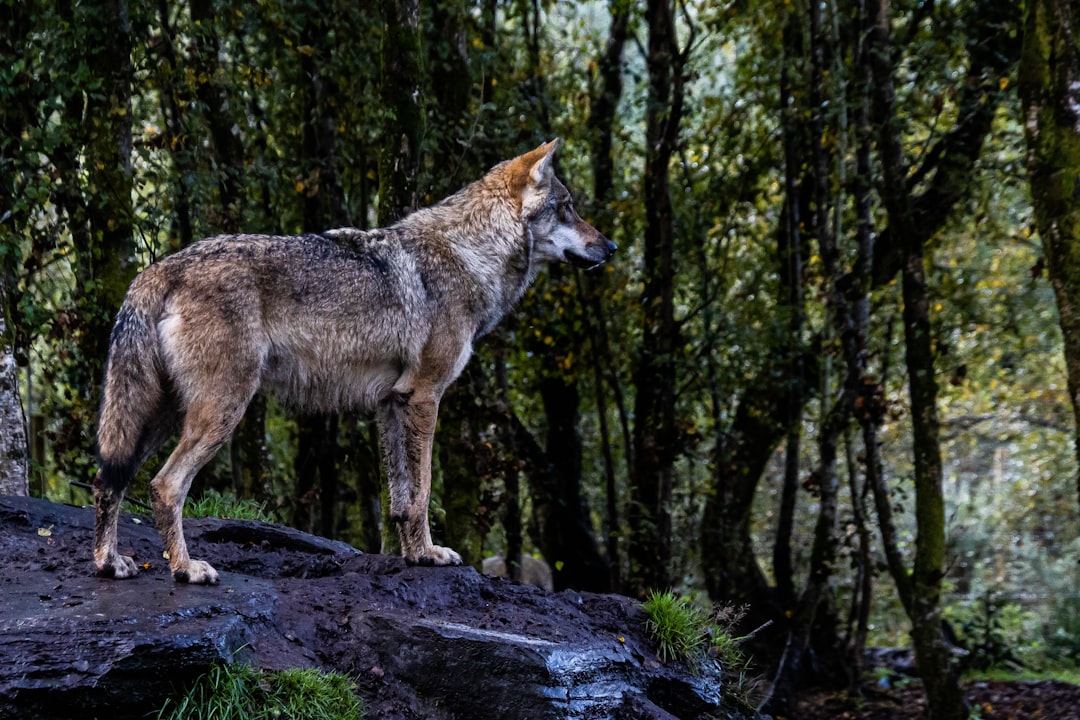
Where to See Wolves: An Adventurer’s Guide to America’s Wildest Encounters
After years of dedicated conservation work, the magic is officially back. Gray wolf populations are making a powerful comeback in their natural habitats across the United States. While the debate on their full recovery continues, one thing is certain: their growing numbers mean you have an incredible opportunity to see them in person.
This isn’t just another wildlife sighting; it’s an experience that resonates deep within. Doug Smith, a National Geographic explorer and biologist who has spent his life studying wolves in Yellowstone, captures it perfectly:
“When you see one in the wild, it awakens the senses and everything feels right.”
Doug Smith, National Geographic Explorer
That profound feeling is universal, and with more wolves roaming their ancestral lands than in recent memory, there has never been a better time to seek them out. If your curiosity is piqued and you’re ready for an unforgettable adventure, here are the top spots experts like Doug Smith recommend for seeing wolves in the United States.

Yellowstone and Grand Teton National Parks: The Crown Jewel of Wolf Watching
These two titans of the natural world are, without a doubt, the crown jewel for anyone wondering where to see wolves. If you dedicate three or four days to exploring this region, your chances of a sighting are incredibly high. For the best odds, plan your trip for summer or mid-winter and be prepared to get up early—the first hours of the morning are truly magical.
Top Spots Within the Parks
In Yellowstone, keep your eyes peeled in the Lamar Valley, Hayden Valley, and the Blacktail Deer Plateau, as these are well-known pack territories. Over in Grand Teton, the Willow Flats area is a must-visit for potential sightings.
Pro Travel Tips:
- Scenic Route: Drive the Great Loop Road, which takes you directly into the Lamar Valley, home to an entire wolf pack.
- Elevated Viewpoints: For a spectacular vantage point, hike the six-mile Mount Washburn Trail to its fire lookout tower. Imagine the views of Yellowstone from 10,000 feet!
- Accommodation: A key tip for Yellowstone—if you want to stay at the historic Old Faithful Inn (open May to October), be sure to book your room months in advance!
- More Than Wolves: In Grand Teton, your wildlife checklist can also include beavers and bison. Plus, Jackson Lake is perfect for fishing, boating, skiing, or windsurfing.
Denali National Park & Preserve: Alaska’s Untamed Wilderness
Picture this: 6.1 million acres of raw, untamed wilderness in Alaska, making Denali one of the largest national parks in the US. The formula here is simple: fewer people mean more wolf encounters. Visitors driving the famous Denali Park Road almost always return with a sighting story.
A crucial piece of advice: if you see a wolf, it is vital that you do not pursue it. Chasing after it will only frighten the animal and ruin the moment for you and everyone else. If you’re exploring on foot, look for tracks along riverbanks—they are a sure sign of wolf activity. And of course, a good pair of binoculars or a spotting scope will be your best friends for getting a close-up view without disturbing these magnificent creatures.
Travel Tips for Denali:
- Best Season: Visit in the summer when the Denali Park Road is open, allowing you to explore deep into the park.
- Transportation: You can drive the first 15 kilometers of the park road yourself, but after that, hop on a shuttle bus. It’s the perfect way to relax and focus on spotting wildlife.
- Camping: After a day of hiking, set up camp at Wonder Lake Campground. The views of Denali, North America’s highest peak at 20,310 feet, are simply otherworldly.
- Precautions: Two things to remember: bring strong mosquito repellent (they are persistent!) and always use the camp’s bear-proof lockers for your food.
Boundary Waters Canoe Area Wilderness: A Unique Encounter
In Minnesota, there’s a magical place called the Boundary Waters Canoe Area Wilderness, offering a truly unique way to encounter wolves, especially in the winter.
In winter, when the cold sets in, the wolves become more visible. Imagine a dogsledding excursion, following their fresh tracks in the pristine snow. If you prefer warmer weather, plan a trip for late summer and book a guided canoe tour. You might be lucky enough to hear wolf pups practicing their very first howls! As Doug Smith notes, the presence of wolves gives this place that “wild feeling of the northern woods.”
Planning Your Boundary Waters Trip:
- Exploration: As the name suggests, the best way to explore this glacier-carved paradise is by paddling.
- Permits: You will need permits for both entry and overnight stays, so be sure to reserve them well in advance.
- Tour Options: You can plan your own self-guided trip or hire an outfitter for a guided canoe excursion.
- Motor-Free Zone: An important detail—most motorboats are prohibited in this vast wilderness, preserving its tranquility.
- Winter Activities: If you visit in winter, swap the canoe for a dogsled, cross-country skis, or snowshoes and lose yourself in the quiet beauty of the snow-covered landscape.
Seeing wolves in their natural home is an experience that touches the soul—a deep connection to the purest essence of the wild. Now that these majestic creatures are making a strong return, there’s no better time to grab your binoculars and launch your own adventure in these incredible places.