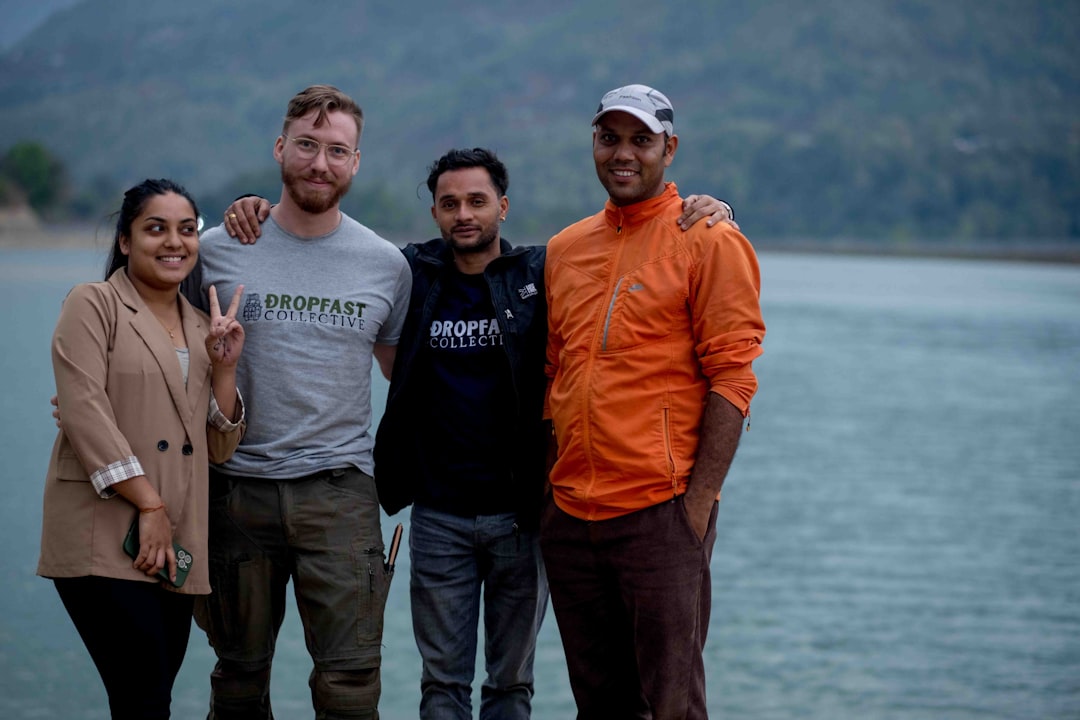
Digital Nomads in 2026: Weaving Genuine Connections and Combating Loneliness
The allure of the digital nomad lifestyle is undeniable. That promise of pure freedom, the opportunity to immerse yourself in new cultures, and the autonomy to design your own days have led millions of us to leave traditional offices behind. Who wouldn’t want a desk with a view of the world? However, behind those perfect Instagram photos, many have felt a persistent shadow: loneliness. As our global community of digital nomads continues to grow, driven by technology and a profound shift in how we view work, so too has awareness of the impact of constant movement. By 2026, combating loneliness is not just a personal concern; it has become a collective effort, a community mission that is completely transforming the nomadic experience. In this article, we will explore how digital nomads are actively fighting loneliness, not just surviving, but truly thriving through innovative ways of building community.
The Evolution of Digital Nomadism Towards 2026: The Essential Need for Connection
In the beginning, when being a digital nomad was the domain of a brave few, many of us were “lone wolves.” Adventurers charting our own course with very little support. In those days, social media was just starting, and the way to combat loneliness was limited to chance encounters in a coffee shop or rather scattered Facebook groups. But the global pandemic of 2020 changed everything. It was an unexpected catalyst that drastically accelerated the adoption of remote work and, with it, swelled our ranks. That period, though full of challenges, also reminded us of a fundamental truth: we need to connect, no matter how far apart we are.

By 2026, the digital nomad landscape has matured significantly. We are no longer a small niche; we are a recognized lifestyle, with governments offering specific visas and companies investing in infrastructure to support their global teams. This mass adoption has brought with it greater awareness of mental health challenges, and loneliness has emerged as one of the most frequent. The industry and we ourselves have responded with a host of innovative solutions, shifting from reacting to loneliness to adopting proactive and structured strategies to foster connection and, most importantly, a sense of belonging. In 2026, loneliness is no longer accepted as an inevitable toll; it is a solvable problem if we design our communities with the intention of bringing us together.
Why Does Loneliness Afflict Us If We Are So Free? The Roots in Our Nomad Life
To truly combat loneliness, we first need to understand where it comes from. While our nomadic life grants us incredible freedom, it also presents unique challenges that can erode anyone’s social and emotional fabric:
- Constant Movement and Disconnection: The essence of being a nomad is not having a fixed place. This constant social reset, this relocation that prevents us from putting down deep roots with people or places, forces us to repeatedly strive to establish new connections. It’s exhausting.
- Cultural and Linguistic Barriers: Exploring new cultures and learning languages is fascinating, yes, but it can also be tiring and isolating. You feel like a fish out of water; jokes, customs, social subtleties, everything can be difficult to understand, generating a feeling of strangeness and incomprehension, even when you are surrounded by people.
- Time and Distance Gap with Our Old Circles: Staying in touch with friends and family back home becomes a logistical challenge. Time differences, disparate schedules, and the lack of long-term shared experiences can weaken those ties over time. Conversations become sporadic.
- Superficial Interactions: You meet many people, yes, but the transient nature of these encounters often leads to superficial connections. It’s easy to fall into a routine of introductions and goodbyes, without the opportunity to deepen friendships or build a truly reliable support network.
- Lack of Shared Purpose and Routine: Unlike a traditional office where colleagues share goals and a daily routine, many of us work independently. Without that team or a local community with whom to share a professional or personal purpose, a deep sense of isolation and not belonging can emerge.
- Impact on Mental Health: Chronic loneliness is not just a low mood; it has real consequences for our mental health. It increases the risk of anxiety, depression, burnout, and a general decrease in our well-being. In 2026, we understand this connection much better, and that has driven the integration of mental health resources into all community solutions.
Innovative Strategies for Weaving Communities in 2026: You Are Not Alone
In response to these challenges, we, along with companies and organizations, have developed a host of strategies to foster community. These solutions, which have evolved greatly by 2026, encompass both the digital and physical worlds, prioritizing intentionality, personalization, and our well-being.
I. Digital Platforms and Tools: Our Allies Beyond Social Media
Technology has always been the pillar of our nomadic life, and in 2026, digital community-building platforms have transcended the basic functionalities of social media groups. They have become sophisticated ecosystems, designed for deep and relevant connection:
- Nomad-Specific Apps: “Second-generation” applications have emerged that go far beyond geolocation functions. Platforms like “NomadConnect 2.0” or “WanderBuddies AI” use advanced artificial intelligence algorithms to match us, not only by location, but by deep interests, professional backgrounds, travel habits, personality traits, and even leisure preferences. These apps integrate functionalities such as:
- Contextual Meetups: Event suggestions not just by where we are, but by type (e.g., “board game night for developers,” “sci-fi book club,” “beginner surfing lessons”).
- Hyper-Niche Interest Groups: Spaces for very, very specific communities (e.g., “vegan hiking nomads,” “nomad homeschooling parents,” “travel writers with a passion for analog photography”).
- Skill-Sharing: Functions for us to offer and seek tutoring, workshops, or project collaborations, fostering interaction based on what we can contribute.
- Wellness Integration: Direct access to mental health resources, support lines, or guided meditation communities adapted to our life on the move.
- Reputation and Trust Systems: Verified profiles and review systems that help us build a safer and more trustworthy environment for connections.
- Immersive Virtual Co-working Spaces: Virtual reality (VR) and augmented reality (AR) have transformed virtual co-working spaces. They are no longer just video calls; we can enter shared virtual offices where our avatars interact, participate in silent “focus” sessions, or have spontaneous “hallway conversations.” These environments replicate the feeling of a physical office, combating isolation and providing a shared work routine, even thousands of miles away.
- Hyper-Localized Digital Hubs: For cities popular among us, specific city-based digital platforms have emerged that act as “community portals.” These hubs not only announce nomad-organized events but also integrate local event calendars, recommend “nomad-friendly” businesses, and facilitate interaction with the local population through cultural exchanges or volunteer programs.
- Decentralized Community Governance (Web3): Some of the most advanced nomad communities in 2026 are experimenting with blockchain-based governance models. This allows members to have a voice and vote in community rules, event organization, and resource allocation, fostering a deeper sense of ownership and commitment. Decentralized identities and reputation systems build a network of trust that facilitates interaction with strangers.
II. Physical Co-living and Co-working Spaces: Redesigned for Tangible Connection
While digital tools facilitate connection, physical spaces remain fundamental for deep human interaction. In 2026, co-living and co-working models have evolved from simple shared accommodations to ecosystems intentionally designed for community building.
- Curated Nomad Villages/Hubs: “Nomad villages” and co-living/co-working hubs have emerged, built with a clear purpose. These spaces not only offer accommodation and work areas but are community centers with:
- Structured Social Programs: Daily yoga classes, communal dinners, movie nights, skill workshops, organized excursions, and inspiring talks.
- Thematic Focus: Some specialize in niches (e.g., entrepreneurial nomads, nomad families, digital creatives, sustainability-focused nomads), attracting people with shared values and interests from the outset.
- Local Integration: Programs that encourage interaction with the local community, such as language exchanges, volunteer projects, or participation in local festivals and events.
- Pop-up Co-living Experiences: These are temporary, themed retreats in exotic locations, offering intensive community immersion for a specified period (weeks or months). They are ideal for those seeking a quick, intense bonding experience, often with a focus on well-being, personal development, or a collaborative project.
- Hybrid Models: Many co-living platforms integrate the digital and physical experience. We can join an online community before arriving, participate in virtual orientation sessions, and book our space through an application that also allows us to access event schedules and connect with other residents before meeting them in person.
- Emphasis on Well-being and Shared Activities: The new generation of co-living spaces prioritizes activities that foster well-being and organic connection, such as shared cooking classes, community gardens, meditation studios, internal sports teams, and book clubs. These activities provide us with common ground for natural friendships to flourish.
III. Intentional Community Building and Events: Weaving Lasting Bonds
Intentionality is the key to our new community strategies. It’s not just about “being together,” but about “building together.”
- “Nomad Host” Programs: To foster cultural immersion and combat loneliness, some platforms have launched programs that connect us with local residents. Local hosts offer guides, invite us to their homes for dinners or events, or simply provide a local point of contact. This is facilitated by secure platforms with background checks to ensure safety and compatibility.
- Skill-Sharing Workshops and Masterminds: We, as nomads, often possess a vast range of skills. Communities organize workshops where we can teach or learn from others (e.g., “video editing workshop,” “beginner Spanish class,” “Python coding session”). This not only fosters learning but also creates a bond based on mutual respect and shared purpose. Regular mastermind groups offer us professional and personal support, strengthening ties.
- Group Volunteering and Social Impact Trips: Participating in group volunteer projects, such as environmental conservation, school building, or supporting local communities, has proven to be a powerful way to forge deep connections. Working towards a common goal and experiencing shared challenges creates a sense of camaraderie that is difficult to replicate in other contexts.
- Micro-Niche Gatherings and “Purpose Retreats”: Beyond broad groups, specialization in events is crucial. “Purpose retreats” or gatherings are organized for nomads with extremely specific interests (e.g., “Nomads developing decentralized applications and who are specialty coffee lovers,” “Nomad artists working with generative AI”). These intensive gatherings attract people who already share a base of interests, facilitating faster and deeper connections.
- Structured and Consistent Meetups: Instead of relying on spontaneity, many communities organize weekly or monthly meetups with a dedicated agenda and host. These can range from “silent co-working cafes” to “themed dinners” or “game nights,” providing a regular and predictable meeting point that fosters familiarity and the establishment of friendships.
IV. Integration of Mental Health and Well-being: Because Inner Well-being is the Foundation of Everything
In 2026, our mental health is no longer a separate issue but an integral part of the conversation about digital nomadism and community building.
- Telepsychology and Specialized Virtual Therapy: Access to therapists and counselors specializing in the unique challenges of our nomadic lifestyle is now global and easily accessible. These platforms offer us secure and confidential sessions, adapted to the time zones and cultural experiences of nomads.
- Peer Support Networks: Programs have been established where experienced nomads act as mentors or “support buddies” for newcomers or those going through difficult times. There are also anonymous support groups facilitated by professionals that address topics such as burnout, travel anxiety, or managing loneliness.
- Personalized Mindfulness and Well-being Apps: Meditation and mindfulness apps have evolved to include specific modules for nomads, such as guides for adapting to new environments, overcoming jet lag, managing cultural overstimulation, or practicing self-care while on the move.
- Mental Health First Aid Training: Community organizers, co-living leaders, and “nomad ambassadors” receive mental health first aid training to identify signs of distress, offer initial support, and direct individuals to professional resources.
V. The Role of Governments and Corporations: A Supportive Ecosystem That Drives Us
The fight against loneliness does not rest solely on our shoulders. In 2026, both governments and corporations are recognizing their role in creating a supportive ecosystem.
- Digital Nomad Visas and Government Support Infrastructure: More and more countries are offering specific visas, which not only legalizes our stay but often comes with government resources, such as information portals on local settlements, access to health services, and cultural integration programs. Some governments even invest in nomad hubs or facilitate connection with local communities.
- Community-Focused Remote Work Corporate Policies: Companies with global remote teams are implementing policies that foster connection, such as budgets for in-person team meetings (off-sites), “buddy system” programs for new remote employees, or grants for us to join co-working spaces or co-living programs. They are also investing in internal communication tools that facilitate informal interactions and relationship building.
Inspiring Stories: Glimpses into the Nomad Community in 2026
To give you an idea of what this looks like, let’s imagine some examples of how community manifests in 2026:
- The Solstice Collective in Lisbon, Portugal: This is a vibrant co-living and co-working space that has become a benchmark. With capacity for 200 nomads, Solstice is not just a place to live and work, but a hub for sustainable innovation. Its members participate in urban agriculture projects, collaborate with local NGOs on social impact projects, and enjoy a weekly calendar of events that includes Portuguese classes, local cooking workshops, and “pitch nights” for entrepreneurs. Integration with the Lisbon community is key, with cultural exchange programs and participation in local festivals.
- Global Roamers Network (GRN) – The Decentralized Application: GRN is a blockchain-based nomad community application that uses AI to match its users. Unlike traditional apps, GRN focuses on “values and lifestyle” compatibility in addition to interests. An advanced algorithm suggests “travel buddies” with similar plans and a high probability of deep connection. The network is governed by its users through a token system, giving them a voice in the platform’s development and the organization of global and local events. GRN also offers a service marketplace where nomads can exchange skills using a decentralized reputation system.
- The Digital Village Project in Costa Rica: This is an ambitious project of a village entirely built and managed by nomads, with a focus on sustainability and long-term community living. Designed for nomad families and those seeking a semi-permanent “home,” the village offers schools for nomad children, community gardens, a wellness and co-working center, and a constant calendar of activities designed to foster deep bonds. Residents commit to a minimum of six months, allowing for the flourishing of stable relationships and a strong sense of belonging.
Challenges and Our Future
Of course, not everything is rosy; the path is not without challenges:
- Maintaining Authenticity: As communities grow, there is a risk that interactions become superficial or overly commercialized. The challenge is to maintain a genuine and mutually supportive environment.
- Digital Fatigue: Relying so heavily on digital platforms to connect can lead to screen fatigue. Balancing online and offline interactions is crucial for our integral well-being.
- Inclusivity and Diversity: Ensuring that these communities are accessible and welcoming to nomads of all ages, socioeconomic backgrounds, ethnicities, and orientations is an ongoing effort. Avoiding the formation of homogeneous “ghettos” is vital.
- Data Privacy and Security: With the use of AI and decentralized systems, protecting our privacy and data security is a primary concern.
- Environmental Sustainability: The rise of digital nomadism raises questions about the environmental impact of traveling so frequently. Future communities must integrate sustainable practices and advocate for responsible travel.
However, the outlook for 2026 is overwhelmingly positive. Loneliness, once considered an inevitable companion, is being actively dismantled. Our “new normal” as digital nomads is one where intentional connection is a fundamental pillar, where technological tools and physical spaces come together to create robust support networks, and where our mental well-being is as important as our geographical freedom.
Conclusion
Our nomadic life is an incredible adventure of self-discovery and global exploration. But the freedom of movement does not have to mean the loneliness of the soul. In 2026, the digital nomad community has shown remarkable resilience and ingenuity, transforming the challenge of loneliness into an opportunity for social innovation. Through advanced digital platforms, purposefully designed physical spaces, intentional community programs, and robust mental health integration, we are weaving a network of connections that not only combats isolation but deeply enriches the experience of traveling and working. Loneliness is no longer an inevitable destination, but a surmountable obstacle on the path to a more connected, meaningful, and fully human nomadic life. The future of digital nomadism is, in essence, a future of community.