Your Compass for 2026: Where to Be a Digital Nomad? Discover the Best Countries for Living and Remote Work
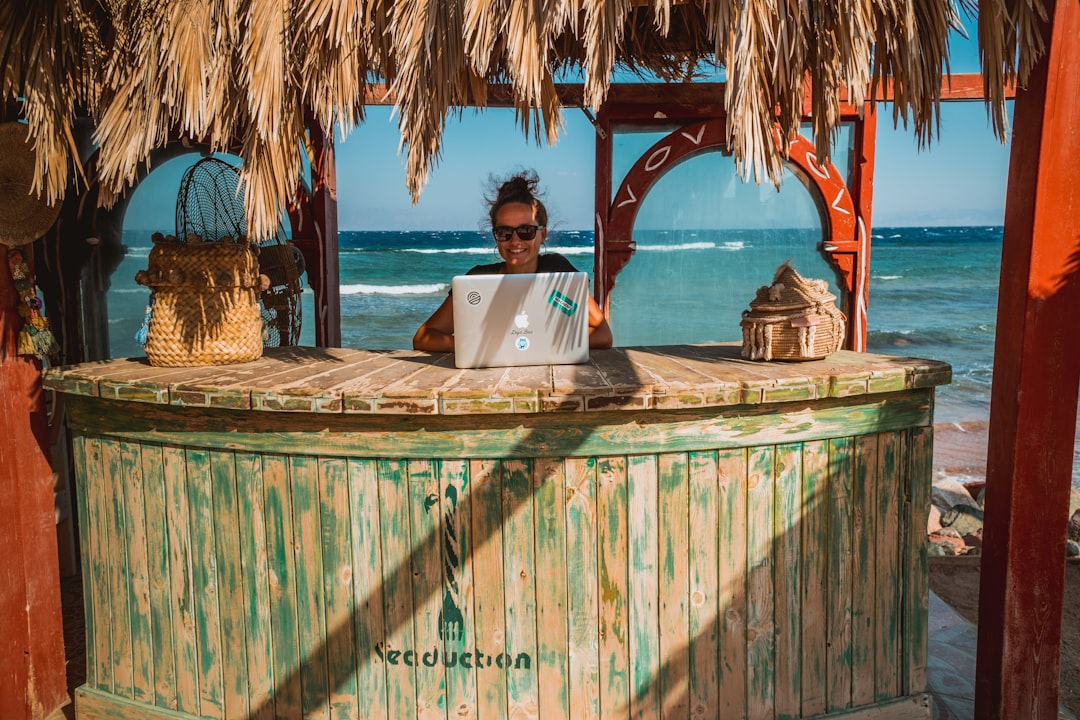
Remote work, once a matter of “urgent necessity,” has become a well-established reality! It has revolutionized how we view work and the places we do it. In this landscape, the figure of the digital nomad—that individual who, with a laptop and an internet connection, can work from any beach, mountain, or city in the world—has exploded in popularity.
Governments, far from being oblivious, have recognized the potential: revenue, tourism, and talent! As a result, they are creating specific visas for digital nomads, adapting their laws to welcome this new demographic. This “Digital Nomad Visa Index 2026” serves as a treasure map, an invaluable guide for maximizing the remote work experience. This post will delve into what to expect from these visas and the general environment in the coming years, exploring key aspects, emerging trends, and which countries are poised to be top destinations for digital nomads in 2026.
Where Do Digital Nomads Come From, and Why Do We Need an Index for 2026?
What was once a niche lifestyle for a few “quirky” individuals is now a highly sought-after way of life, accessible to millions. The 2020 pandemic acted as a catalyst, accelerating the acceptance of remote work and fueling the rapid growth of this mobile workforce. By 2026, tens of millions of digital nomads are expected to be globetrotting! This is a demographic with significant purchasing power and very specific needs.
An index looking towards 2026 is crucial because the world of digital nomad visas is a constantly evolving and highly competitive game. Immigration rules change, local economies fluctuate, internet speeds improve or degrade, and the cost of living can vary significantly. What might be a paradise today could have drawbacks tomorrow or be surpassed by an even better offer. This index aims to anticipate these changes, providing a forward-looking perspective for making smart, strategic decisions about where to establish roots, even if temporarily.
How the “Digital Nomad Visa Index 2026” Was Conceived
To create a robust and useful index for 2026, a multitude of interconnected factors were considered. The evaluation encompassed both the ease of obtaining a visa and the quality of life and work in each location. These are the key points, ordered by their influence on the digital nomad experience:
- Visa Requirements and Application Ease:
- Required Income: The minimum monthly income (adjusted for inflation and demand).
- Duration and Renewability: Initial visa length and ease of extension.
- Bureaucracy: Is the process easy, fast, and fully online?
- Eligibility: Are there restrictions based on country of origin, employment status (employee vs. freelancer), etc.?
- Cost: Visa application fees.
- Taxation Matters:
- Tax Liability: Are foreign-sourced incomes exempt, or is there a tax burden, and if so, how much?
- Double Taxation Agreements: Are there treaties to prevent being taxed twice?
- Filing Simplicity: How straightforward is tax compliance?
- Cost of Living (Calculated for 2026):
- Housing: Short-term and long-term rental costs.
- Food and Daily Expenses: Price of groceries and leisure activities.
- Transportation: Public and private transport options and costs.
- Basic Utilities: Electricity, water, heating/cooling.
- Internet and Connectivity:
- Speed and Reliability: Availability of good fiber optics and 5G.
- Coworking Spaces: Quantity and quality of available spaces.
- General Technology Infrastructure: Access to devices, technical support, and related technology services.
- Quality of Life and Overall Appeal:
- Climate and Nature: Weather conditions, proximity to nature, and outdoor activities.
- Culture and Society: Ease of integration, diversity, safety, and local language difficulty.
- Digital Nomad Community: Presence and activity level of other nomads.
- Health and Wellness: Quality of the healthcare system, available insurance, and healthy lifestyle options.
- Safety and Stability: Overall safety and governmental stability.
- Access to Additional Services:
- International Banking: Ease of opening accounts and managing finances.
- Education: Options for children, if traveling with family.
- Flights: Good connections to other countries.
All these points are aggregated to yield a final score, allowing for an objective ranking of countries.
Trends Shaping the Path in 2026
The world of digital nomad visas in 2026 will not remain static. Several economic and technological trends are poised to significantly influence offerings and demand:
- Increased Competition and Improved Offers: More countries will launch visa programs, leading to a “war for talent.” This will result in more tailored offers, with extra perks such as accommodation discounts, access to networking events, or advisory services.
- Quality Over Quantity: Governments will seek digital nomads with specific skills or higher spending power, aiming for a greater economic and social impact. Highly specialized visas for “tech nomads” or “creative nomads” could emerge.
- Goodbye Paper, Hello Digital: Most countries with active visas will have fully digitized their application, tracking, and renewal processes. This means less bureaucracy and shorter waiting times.
- Artificial Intelligence to the Rescue: AI will facilitate information search, real-time translation, personalized travel experiences, and task automation, making the digital nomad’s life even more efficient.
- Sustainability and Ecotourism: Growing environmental consciousness will influence digital nomads’ decisions. Preference will be given to countries with strong ecological policies and ecotourism opportunities. Some might even offer incentives for participation in local sustainable projects.
- Geopolitical and Economic Uncertainty: While the general trend is towards openness, some regions may face challenges, impacting the perception of safety and the influx of nomads.
- “Sponsored” Digital Nomad Communities: Certain cities or regions will invest in creating dedicated ecosystems, complete with coworking centers, social events, and support networks, to attract and retain this demographic.

Top Destinations in the 2026 Index (Our Predictions)
Based on current trends and logical projections, several countries are poised to be major winners in the Digital Nomad Visa Index 2026.
1. Portugal: The Pioneer That Keeps Innovating
Portugal, one of the first countries to launch a digital nomad visa, will remain a favorite, albeit with some adjustments.
- Visa 2026 (Prediction): The well-known “D8 Visa” for digital nomads will be highly consolidated. It is probable that the income requirement will increase slightly, perhaps to around 3,500-4,000 euros per month (currently 3,040 euros) to reflect demand and rising living costs. It will continue to last one year but with a clear path to long-term residency and eventually, European citizenship, making it highly attractive. The paperwork will be even easier and more digital.
- Taxes: The special tax regime for non-habitual residents (NHR), which allows a 20% flat tax on certain incomes for 10 years, might continue or be replaced by a similar scheme. Fiscal clarity and stability will be a strong point.
- Cost of Living (Prediction): Although Lisbon and Porto will be pricier, other areas like central Portugal or the Azores will remain affordable. Living comfortably in secondary cities could cost between 1,800 and 2,500 euros per month.
- Internet and Technology: Portugal will have invested further in fiber optics and 5G nationwide. Coworking spaces will be numerous and modern, especially in major cities and new hubs like Madeira.
- Quality of Life: Great climate, welcoming culture, delicious food, safety, and a very active expatriate and digital nomad community. Access to good healthcare, though not always free for non-residents, is an advantage.
- Drawbacks: Pressure on the real estate market, particularly in large cities, and bureaucracy in some procedures (though improved) will remain considerations.
2. Spain: The Great European Option with a Thousand Faces
Spain, a recent entrant into the digital nomad visa landscape, will have solidified its position as a leading destination by 2026.
- Visa 2026 (Prediction): The Spanish visa, which currently requires around 2,646 euros per month (double the minimum wage), might increase slightly, perhaps to 3,000-3,500 euros monthly. Its major draw is the possibility of obtaining residency for up to 5 years and acting as a gateway to Europe. The application process, already quite straightforward, will be further streamlined for maximum efficiency.
- Taxes: Spain’s Startup Law is a game-changer, offering tax benefits! One can opt for the Special Regime for Inpatriates (“Beckham Law”), paying a flat rate of 24% on income up to 600,000 euros for the first five years. This tax advantage will be a significant magnet in 2026.
- Cost of Living (Prediction): Spain offers something for everyone. Cities like Madrid and Barcelona will be more expensive (2,500-3,500 euros per month), but regions like Andalusia, Valencia, or Galicia will provide much more affordable options (1,500-2,200 euros per month), offering excellent value for money.
- Internet and Technology: One of Europe’s best fiber optic infrastructures, with extensive 5G coverage. The network of coworking spaces is dense and high-quality across the country.
- Quality of Life: Great geographical variety (beaches, mountains, historic cities), vibrant culture, world-renowned cuisine, Mediterranean climate, and a relaxed lifestyle. The digital nomad community will be booming in major cities.
- Drawbacks: The language can be a barrier in some areas, and bureaucracy, though improved, might still pose challenges for complete integration.
3. Mexico: The Vibrant and Accessible Latin American Option
Mexico, with its growing popularity among digital nomads, will remain a top destination, though not always with a specific visa.
- Visa 2026 (Prediction): Mexico has traditionally used its temporary residency visa (based on economic solvency) to attract nomads. By 2026, it is highly probable that they will have a specific digital nomad visa, simplifying the entire process! Income requirements might range between 2,500 and 3,000 USD monthly. It could last 1 to 2 years, with a renewal option.
- Taxes: While digital nomads are currently often exempt if they earn money outside the country, a specific visa might introduce a clearer fiscal framework, but is expected to remain favorable to avoid double taxation.
- Cost of Living (Prediction): Mexico remains very appealing in terms of prices. Cities like Puerto Vallarta, Playa del Carmen, Oaxaca, or Mérida offer a great quality of life for 1,200-2,000 USD per month, while Mexico City could be slightly more expensive (1,800-2,800 USD).
- Internet and Technology: 5G coverage will be more widespread in major cities and tourist areas. Fiber optics are common in urban areas. More coworking spaces will be available.
- Quality of Life: Rich and diverse culture, exceptional food, warm climate, friendly people, and a large expatriate community. Proximity to the US and Canada is a plus for many.
- Drawbacks: Security in some areas remains a concern. Bureaucracy and infrastructure are not always as smooth as in Europe.
4. Colombia: The Hidden Gem of South America
Colombia, which launched its digital nomad visa in 2022, will have established itself as a highly competitive destination by 2026.
- Visa 2026 (Prediction): The Colombian visa, which currently requires around 3 minimum wages (approx. 900-1,000 USD), is likely to increase to 4-5 minimum wages (1,200-1,500 USD) to maintain its value. Its duration of up to two years with easy renewal and a digital process will be highly valued.
- Taxes: The visa is expected to maintain tax exemption for income earned outside Colombia, unless one stays more than 183 days in a year and is considered a tax resident. Clarity on this will be key.
- Cost of Living (Prediction): One of Colombia’s strongest points! Cities like Medellín, Bogotá, or Cartagena will offer excellent quality of life for 800-1,500 USD per month.
- Internet and Technology: Medellín is a growing tech hub, and fiber optics and 5G will be more available in major cities.
- Quality of Life: Varied climate (from Caribbean heat to temperate mountains), stunning landscapes, vibrant culture, friendly people, and a growing economy. The digital nomad community in Medellín is already large and very active.
- Drawbacks: Security in some areas and bureaucracy in certain procedures can improve, but a positive evolution is expected by 2026.
5. United Arab Emirates (Dubai): The Hub of Luxury and Global Opportunities
Dubai, an established destination for international professionals, will have refined its offering for digital nomads by 2026.
- Visa 2026 (Prediction): Dubai’s remote work visa, which requires a minimum salary of 3,500 USD/month for employees or 5,000 USD/month for freelancers, might increase slightly. However, its greatest appeal will remain flexibility and 0% personal income tax! An even faster and more digitized application process is expected.
- Taxes: This is Dubai’s ace in the hole: 0% personal income tax. This alone attracts digital nomads with good incomes and entrepreneurs.
- Cost of Living (Prediction): Living in Dubai is expensive (3,000-5,000 USD per month for a comfortable life), but the absence of taxes compensates for many.
- Internet and Technology: First-class. Widespread 5G, ultra-fast fiber optic internet, and numerous luxurious coworking spaces.
- Quality of Life: Exceptional safety, modern infrastructure, access to top-tier dining and entertainment, and a multicultural society.
- Drawbacks: Summer heat, the lack of a traditional “local culture” for some, and the high cost of living are the main downsides.
Emerging Stars and Special Places for 2026
Beyond the heavyweights, several countries will become emerging stars or attractive destinations for specific types of digital nomads in 2026.
- Croatia: Will remain strong due to its natural beauty, reasonable cost of living, and access to the EU, although income requirements might be adjusted. Its interest in sustainable tourism could attract eco-conscious nomads.
- Malta: Its pleasant climate, English as an official language, and an established digital nomad visa with tax advantages (paying only 10% tax for some nomads) will make it attractive, especially for those seeking a European island.
- Thailand / Indonesia (Bali): With the probable arrival of more structured digital nomad visas (currently tourist or business visas are often used), these Southeast Asian destinations will regain and expand their popularity, thanks to their low cost of living and exotic culture, though with challenges in rural infrastructure and potential taxes for long stays.
- Georgia: Will maintain its appeal with its “Remotely from Georgia” policy allowing long stays without a visa for many nationalities, and low taxes for entrepreneurs. The cost of living is very low, though infrastructure is not as top-tier as in Western Europe.
- Romania: With an affordable cost of living, excellent internet, and a digital nomad visa launched in 2022, it will become an interesting option in Eastern Europe, especially for those seeking a more authentic and less crowded experience.
Beyond the Visa: Crucial Considerations for 2026
Choosing an ideal digital nomad destination in 2026 goes far beyond visa requirements. A smart decision must account for personal, professional, and long-term plans.
- Budget and Expectations: Evaluate how much money is truly needed to live comfortably, not just to meet the visa minimum. An economic cushion is vital!
- Ideal Lifestyle: City or countryside? Year-round warmth or four seasons? Nature or nightlife? A destination that aligns with your lifestyle is key to happiness.
- Traveling with Family: If you are a digital nomad with children, consider the quality of international schools, child safety, family activities, and access to pediatricians. Some countries include dependents on the visa, a major plus!
- Long-Term Goals: Are you seeking a one-year experience, or the possibility of staying longer, or even obtaining citizenship? Countries like Portugal and Spain, which offer clear paths to European residency, are ideal for long-term thinkers.
- Cultural and Language Adaptation: Willingness to learn a new language and immerse oneself in another culture is fundamental. Some places are easier for English speakers (Malta, Ireland), while others require more effort (Japan, South Korea).
- Support Network and Friends: It is crucial to find a community, whether other digital nomads or locals, to avoid loneliness and maintain mental well-being. Countries with active communities and events will be more attractive.
- Health and Insurance: Understanding how healthcare works in the country and ensuring robust international medical insurance is an absolute priority. Health insurance will be mandatory for most visas in 2026.
Challenges and Considerations for Digital Nomads in 2026
While increasingly easy and popular, being a digital nomad in 2026 will also present its challenges.
- Expiring Visas and Renewals: Managing expiry dates and renewals can be complex, especially if rules change or if moving between countries with different regulations. Planning ahead is essential.
- Global Tax Complexities: As the community grows, home and host governments may scrutinize tax residency and obligations more closely. Avoiding double taxation and complying with multi-jurisdictional tax laws will be a challenge requiring expert assistance.
- Access to Healthcare and Insurance: Although many countries will require health insurance, the quality and ease of access to care can vary. Thorough research is needed to ensure insurance covers specific needs, including emergencies and routine consultations, in chosen destinations.
- Work-Life Integration: The freedom of digital nomadism can sometimes blur the lines between work and leisure. Establishing routines, setting boundaries, and maintaining a dedicated workspace, even when changing locations, will be key to avoiding burnout.
- Loneliness and Building Connections: Despite vibrant communities, constant movement can hinder the formation of deep bonds. Actively seeking out groups, events, and volunteer opportunities will foster social connection.
- Environmental Impact of Travel: With increased ecological awareness, the impact of frequent flights might concern some nomads. Opting for longer stays, offsetting carbon footprints, and supporting sustainable local businesses will become common practices.
- Local Rules and Adaptation: Understanding and respecting local laws, customs, and cultural sensitivities is fundamental. From dress codes to social etiquette and internet restrictions, adaptation is key to a positive experience.
The Future of Digital Nomadism and Visas Beyond 2026
Beyond 2026, the phenomenon of digital nomadism will continue to evolve, and with it, the visa landscape.
- Standardized Visas and Inter-Country Agreements: Regional digital nomad visas (like a “Schengen Digital Nomad Visa”) or agreements between multiple countries might emerge, simplifying movement without requiring numerous individual visas.
- Highly Specialized Visas: In addition to “tech nomad” visas, visas for artists, researchers, educators, or healthcare professionals who wish to work remotely and contribute to the local economy could appear.
- Focus on Contribution: Countries might shift from merely attracting nomads to actively seeking those who can bring specific skills to locals, participate in community projects, or invest in the local economy.
- Cutting-Edge Technologies: Artificial intelligence and augmented/virtual reality could radically change not only remote work but also how nomads interact with their environment, facilitating cultural integration and language learning.
- Slower Pace, Deeper Immersion (“Slowmading”): A reaction against the frantic pace of constant travel could lead to a “slowmading” trend, where nomads choose to stay in one place for much longer (1-2 years) to immerse themselves more deeply in the culture and reduce their environmental impact.
In Summary
This “Digital Nomad Visa Index 2026” is an indispensable tool in an increasingly connected and flexible world. It provides a snapshot of the best destinations but also highlights the importance of a comprehensive evaluation, combining the tangible benefits of a visa with personal and professional needs. Countries like Portugal and Spain will remain European pillars, while Mexico and Colombia will shine in Latin America, and Dubai will continue to attract those seeking top-tier experiences.
Deciding where to work and live as a digital nomad in 2026 will be a complex blend of visa requirements, taxes, cost and quality of life, good internet connectivity, safety, and ultimately, what personally resonates with the country’s culture and environment. As the world continues to embrace remote work, the power to choose not just a job, but a global lifestyle, is more accessible than ever. Future digital nomads will be more conscious, informed, and strategic in their decisions, seeking not just a place to work, but a temporary home that enriches their lives in every sense. Preparation, research, and adaptability will be the best allies for making the most of this exciting professional lifestyle in 2026 and beyond.