
The Ultimate Digital Nomad Guide: How to Live and Work Anywhere
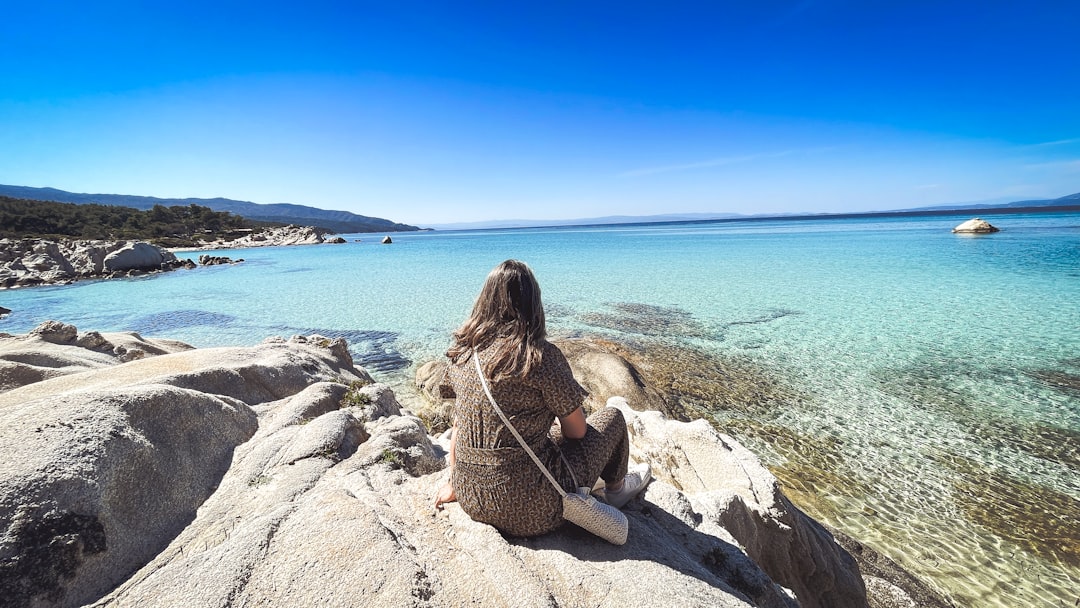
Imagine waking up to the sound of waves on a Greek island, opening your laptop, and starting your workday. This isn’t a fantasy; it’s the reality for millions of digital nomads worldwide. If the idea of exploring the globe while earning money online sparks your curiosity, you’ve landed in the perfect spot!
For over a decade, many have transformed their laptops into portable offices, exploring countries from Mexico to Thailand, France to South Africa, working from wherever they choose. This lifestyle offers unparalleled freedom: discovering breathtaking places, immersing yourself in new cultures, and dictating when and where you work. With global economic uncertainty, location independence has become invaluable. This guide will walk you through the essential steps and insights to embrace this life in 2025.
What Exactly is a Digital Nomad?
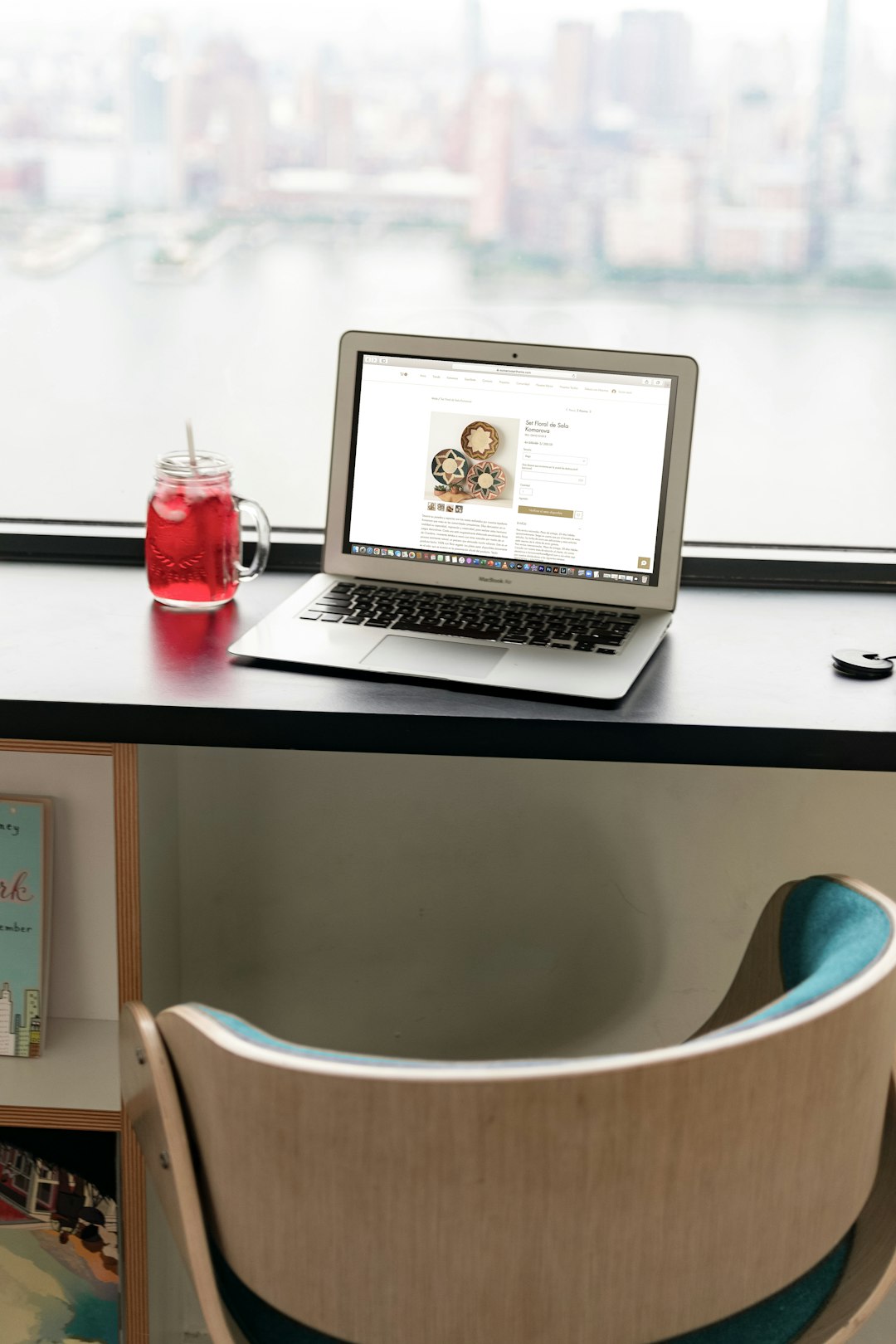
In simple terms, digital nomads are individuals who work remotely using a laptop or mobile device, without a fixed office. Their “office” can be anything from a café with a stunning view, a hotel amidst adventure, a bustling co-working space, or even a quiet library – as long as there’s reliable WiFi!
Digital nomads come in many forms. Some travel within their own country in an RV, others live on sailboats, hopping from port to port. Many stay in hostels, Airbnbs, or even friends’ homes as they fly from one country to another. The core principle remains the same: complete freedom to move and work online.
A Quick Tip: Always secure travel insurance. An accident, illness, or theft can derail your journey. Affordable and nomad-friendly options like SafetyWing are highly recommended.
The Good and the Not-So-Good of Location-Independent Living
Working from any corner of the world is a dream for many, but like any significant life decision, the digital nomad lifestyle has its highs and lows.
The Perks of Nomad Life
- Save Money: Live in places where the cost of living is significantly lower, making your money go further.
- Absolute Freedom: Choose where you want to live, unbound by geographical constraints.
- Escape Office Stress: Bid farewell to toxic office environments, internal politics, and demanding bosses.
- Explore the World: Immerse yourself in new cultures, make friends globally, and broaden your perspective.
- Continuous Learning: An opportunity to develop new skills or learn new languages.
- Personal Growth: Travel acts as a profound teacher, transforming you with every experience.
- Set Your Own Schedule: Be your own boss. Work when you’re most productive and rest when needed.
- Perfect Climate, Always: Tired of the cold? Fly to the beach. Exhausted by the heat? Escape to the mountains.
The Downsides of Digital Nomadism
- Travel Fatigue: Constant movement can be physically and mentally exhausting.
- Productivity Challenges: With many distractions and changes, maintaining work rhythm can be difficult.
- Unexpected Loneliness: Despite meeting many people, feelings of solitude can arise.
- Lack of Stability: It’s challenging to set roots, even temporarily.
- Limited Personal Space: Living minimally often means less privacy and dedicated personal areas.
- The Novelty Fades: Initially, everything is amazing, but over time, even travel can lose its “wow” factor.

Your Step-by-Step Guide to Becoming a Digital Nomad
Tip 1: Establish Your Remote Income Stream (Foundational Step)
The first crucial step on your digital nomad journey is to determine how you will earn money online. The good news is that remote work opportunities are expanding rapidly, with more companies embracing distributed teams. You can either work remotely for an existing company or launch your own online business. This is a beginner-level step, but it requires significant planning and potentially skill development.
Ideas for Digital Nomad Jobs
While an exhaustive list of remote jobs is impossible, here are some of the most common roles observed among digital nomads:
- Blogger: Share your passions and expertise through writing.
- Youtuber: Create video content to share stories or knowledge.
- Customer Service Representative: Provide support remotely from anywhere.
- Consultant: Offer specialized knowledge to businesses.
- Accountant: Manage financial records online for clients.
- Digital Marketing Expert: Help businesses grow their online presence.
- Freelance Writer: Produce articles, website copy, and other content.
- SEO Specialist: Improve businesses’ online visibility.
- Virtual Assistant: Handle administrative tasks remotely.
- Software Developer: Create applications and programs.
- Web Designer: Build and maintain websites.
- Amazon Seller: Run your own e-commerce store.
- Online Course Creator: Share your expertise by teaching others.
- Language Teacher: Teach languages like English or Spanish online.
Resources for Finding Remote Work or Starting Your Business
Identifying your income source is the first major hurdle to location independence. While your specific path will depend on your skills and interests, these resources can provide a strong starting point:
Recommended Books:
- Remote: No Office Required by Jason Fried: Excellent for understanding and advocating for remote work.
- The 100 Dollar Startup by Chris Guillebeau: Inspiring stories of successful businesses launched with minimal capital.
- The 4-Hour Workweek by Tim Ferriss: A classic guide to optimizing work for more free time and income.
- Job Escape Plan by Jyotsna Ramachandran: Guides you in creating a location-independent business as a “Plan B.”
- Rework by Jason Fried: Focuses on building a business quickly and simply in the modern world.
Useful Websites:
- Flexjobs: A constantly updated database for remote job opportunities.
- Remote.co: Resources and advice specifically for remote workers.
- How To Become A Freelancer: Essential guidance for aspiring freelancers.
- Power To Fly: Listings for remote jobs worldwide.
- We Work Remotely: One of the largest online communities for remote professionals.
- Working Traveller: Connects companies with digital nomads for employment.
Tip 2: Master the Practicalities of Location-Independent Living (Intermediate Strategy)
Once you’ve secured your income stream, the next phase involves nailing down the practical details that ensure a smooth and successful digital nomad experience. This goes beyond just working; it’s about managing your entire life on the go. This intermediate step involves careful research and setup.
Business Setup (If Applicable)
If you’re starting a new business, especially if you’re from the US, ensure it’s properly structured. Starting as a sole proprietor simplifies things, but once you have stable income, consider forming an LLC for tax and legal benefits. Services like Legal Zoom can assist with online business registration.
Taxes for Digital Nomads
Tax obligations can be complex when traveling. If you are a US citizen, you generally still need to file US taxes, but if you spend most of the year outside the US and pay taxes in your country of residence, you may qualify for the “Foreign Earned Income Exclusion,” allowing you to exclude up to around $100,000 in US taxes. Some even set up companies in “nomad-friendly” countries like Singapore to reduce their tax burden. For serious considerations, consult an accountant specializing in expatriate taxation.
Banking While on the Move
Managing finances abroad can be challenging. Cards may get blocked, and receiving payments can be tricky. A Wise (formerly TransferWise) account is highly recommended for its lower fees compared to PayPal (though PayPal is still useful). Payoneer is an excellent alternative, particularly if you’re not from the US or UK. A good travel credit card, like the Chase Sapphire Preferred, is invaluable for no foreign transaction fees, car rental insurance, and accumulating points for free flights.
Staying Connected (Crucial for Remote Work)
Reliable internet is paramount. Before choosing accommodation, always ask about WiFi speed. The SpeedTest app can verify connection quality. Virtual phone numbers (e.g., Google Voice, Skype, MySudo) are useful for two-factor authentication and maintaining a local number. Secure messaging apps like Signal offer greater privacy than standard options.
Your VPN: The Guardian of Your Security
Internet censorship is common in many parts of the world. To ensure access to all necessary websites and enhance privacy, a good VPN (Virtual Private Network) is essential before you depart. Proton VPN is a highly-rated option, even offering an iPhone app.
Receiving Mail and Packages
Handling mail while constantly moving used to be a major headache. Virtual mail services like Earth Class Mail provide a physical address, allow you to read your mail online, and forward physical items wherever you are.
Insurance for Digital Nomads (A Non-Negotiable)
Accidents happen, and without insurance, medical emergencies abroad can be financially devastating. Fortunately, specific health insurance options cater to digital nomads. SafetyWing and World Nomads are two popular and reliable choices.
Getting Around the World
Upon arrival, explore local transportation. Many countries have excellent public transport systems (buses, trains). In other regions, renting a scooter or small car for months is common and often inexpensive. For example, scooters are popular in Thailand and the Philippines, while public transport and occasional car rentals work well in Mexico, Spain, and Italy.
Finding Your Temporary Home
- Booking.com: A preferred platform for short-term hotel and hostel stays.
- Airbnb.com: Widely used by digital nomads for renting local apartments for a month or two.
- Coliving.com: Excellent for finding shared long-term accommodation with other digital nomads.
Making Friends (And Avoiding Loneliness)
Loneliness can be a challenge. Hostels are great for meeting other travelers, though working in a party environment can be tricky. Working from cafes or co-working spaces connects you with like-minded individuals. Expat communities exist in most countries, and platforms like Facebook groups (e.g., Global Digital Nomad Network, Digital Nomads Around The World), MeetUp.com, or Couchsurfing.com can help you find local events and groups. And, of course, there’s always Tinder!
Your “Plan B” (The Emergency Fund)
Traveling, even economically, isn’t free. An emergency fund is crucial for unforeseen circumstances: family emergencies, accidents, theft, political unrest, natural disasters, or simply needing quick passage home. Aim to save between $3,000 and $5,000 in a separate savings account that you won’t be tempted to touch during your travels.
Where Will You Fly First?
While many digital nomads travel on tourist visas (a legal “gray area” as you’re technically not supposed to “work” on them), it’s often unenforced for remote work that doesn’t displace local jobs. When asked by immigration, it’s often safest to state your purpose as “tourism” or “vacation.”
Special Digital Nomad Visas (The Future is Now!)
Progressive governments are increasingly recognizing digital nomads and offering special remote work visas. Examples include:
- Estonia
- Georgia
- Barbados
- Bermuda
- Croatia
Top Digital Nomad Destinations
Many nomads gravitate towards “hubs” due to a lower cost of living, good internet infrastructure, and relatively easy visa renewals. Popular choices include:
- Thailand
- Indonesia
- Mexico
- Portugal
- Hungary
- Spain
- Colombia
Remember, you don’t need to live abroad to be a digital nomad. Many work remotely within their own country, even living in RVs or converted vans. The key is location independence.
Tip 3: Prepare for the Leap and Embrace the Digital Nomad Journey (Advanced Execution)
With your remote income established and practicalities understood, the final phase is about making the physical and mental transition to the digital nomad lifestyle. This advanced stage involves bold steps and a resilient mindset.
Saving (Your Safety Net)
While economic, travel isn’t free. You need substantial savings before embarking. If you have a traditional job, reduce expenses, seek extra income, or take on a part-time job. Important: Do not quit your current job until you have significant travel savings or a consistent online income. Running out of money abroad is incredibly stressful. Build your online business or secure a remote job first, THEN travel!
Decluttering (Liberating!)
There’s a magical, therapeutic quality to selling or donating most of your possessions. Embrace minimalism; list items on platforms like Craigslist, eBay, and Facebook Marketplace. Sentimental items can be stored with family or in a small storage unit. Optimizing your life to fit into a backpack reveals how little we truly need for happiness.
Managing Criticism (Ignore the Skeptics!)
Explaining your desire to leave everything behind to travel can be challenging with family and friends. Many won’t understand or support you. Choosing to ignore criticism and pursue your dream can be difficult, as self-doubt can creep in. Remember, millions of digital nomads are living this life; you are not alone! Consider framing it as an experimental “sabbatical.” If it doesn’t work out, you can always return and find a “regular job” again. It’s not the end of the world!
A Small Dose of Reality… (No Filters!)
In our saturated online world, many promise quick riches and global travel through online courses. Unfortunately, there’s a lot of hype. The reality is that while people CAN earn money online and travel as digital nomads, not everyone succeeds. Some aren’t suited for the lifestyle or managing a business. But this is true for any new venture, be it opening a restaurant or going to medical school. If it were easy, everyone would do it!
It’s not easy. Becoming a digital nomad requires time, sacrifice, and hard work. But if it’s truly what you want, the rewards are immense!
A Journey Through the History (and Bright Future) of Digital Nomads
Did you know the first digital nomad was a man named Steve Roberts? In 1984, he cycled across America, working from his Radio Shack Model 100 personal computer. He wrote articles on the road and uploaded them to his assistant in Ohio via a payphone and a CompuServe account. Impressive for its time!
Later, in 1997, Japanese technologist Tsugio Makimoto predicted the rise of digital nomads in a book. He believed remote work would force nations “to compete for citizens” and that digital nomadism would lead to “decreases in materialism and nationalism.” This was revolutionary then, but look at us now – we can post social media updates from a remote mountain trek via satellite!
Remote work will only become easier. More companies will realize they don’t need physical offices, and new technologies like Elon Musk’s Starlink high-speed satellite internet service will make it possible from virtually anywhere. The future looks bright for digital nomads and remote workers!
Frequently Asked Questions About Digital Nomadism
Is it legal to be a digital nomad?
Technically, not entirely. Most digital nomads work while traveling on tourist visas, which is typically illegal for work purposes. However, as it involves working on laptops and doesn’t take local jobs, it’s very difficult to enforce. Some countries, as mentioned earlier, have legalized it with special remote work visas you can apply for.
How much do digital nomads earn?
Any amount, from zero to millions of dollars a year. There’s no standard income. If you work as a virtual assistant at $25 an hour, your earning potential will have a limit. But if you own your business or sell a product, the sky’s the limit. Many start earning just enough to live while traveling, and with experience and growth, some achieve six-figure incomes annually.
What does a digital nomad need?
Essentially, just a few tools for remote work: a laptop, tablet, or smartphone with internet access (WiFi or a mobile hotspot). Many subscribe to an international mobile phone plan, like T-Mobile or Google Fi. Good internet access is a key ingredient for this lifestyle to work.
How many digital nomads are there?
While there isn’t an exact global count, an annual report by MBO Partners suggested that in 2019, there were around 7.3 million self-identified digital nomads in the United States. And that number continues to grow!